

We are not just a supplier, but your dedicated manufacturing partner. With advanced production capabilities and strict quality control, we turn your unique requirements into reliable, high-performance uniforms.
Your Customization, Our Expertise:
Any Design & Pattern: From standard issues to specialized operational gear.
Any Fabric & Material: Select from our extensive library or provide your own specs.
Any Logo & Identification: Expert embroidery, printing, or patches for any unit branding.
Any Size & Quantity: Prototypes to bulk production, all with consistent quality.
Contact us today for a free consultation and quote. Let's build the perfect uniform for your team.

-

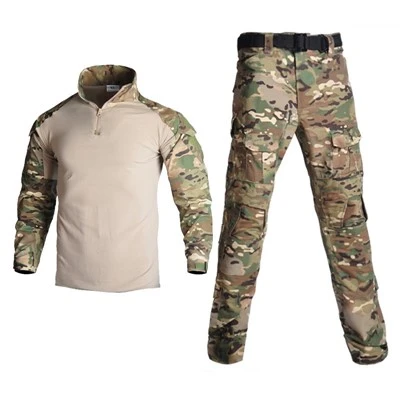
Multicam CP Field Combat Uniform
Shirt Details Pants Detail Multicam CP Field Combat Uniform If you've spent long hours out in the field, you know how frustrating many off‑the‑shelf tactical uniforms can be. Full rip‑stop suits are
Add to Inquiry -
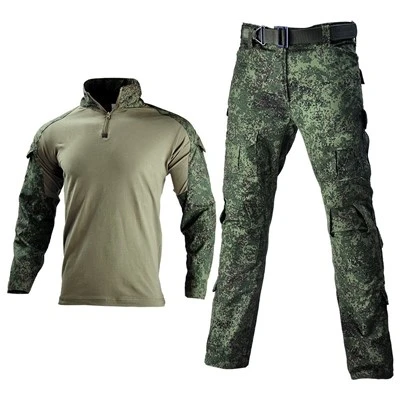
G2 Russian Green Digital Camo Frog Suit
G2 Russian Green Digital Camo Frog Suit Our G2 frog suit comes in Russian‑inspired green digital camo, built for people who spend long hours out in the field. What sets this set apart from many basic
Add to Inquiry -
Spring Autumn Black Camouflage Tactical Suit For Men Outdoor Work Uniform Factory Wholesale
Product Features Tactical Camouflage Uniform Set (Jacket + Pants) 01 Hook‑and‑Loop Stand‑Up Collar, Maintains a Crisp, Neat Silhouette. Shoulder Tabs for Mounting Epaulets, Caps & Other Tactical
Add to Inquiry -
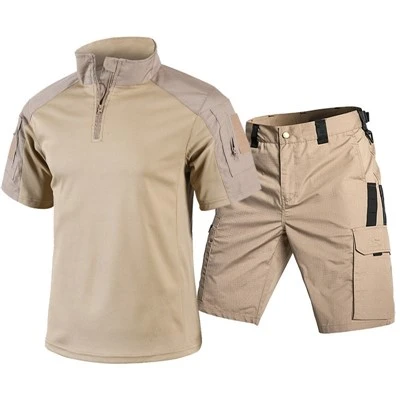
Beetle Frog Suit Short Sleeve Set
Beetle Frog Suit Short Sleeve Set Men Summer Beetle Frog Suit Set | Quick Dry Short Sleeve T-shirt + Tactical Shorts Training Apparel Khaki Fabric Premium ripstop woven fabric, lightweight &
Add to Inquiry -
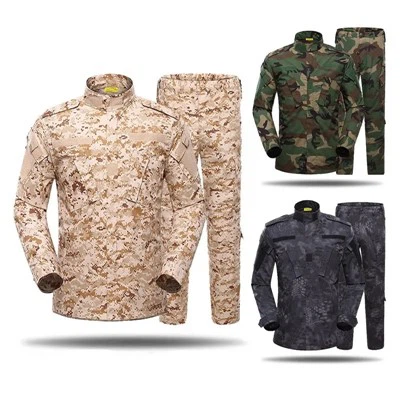
Tactical ACU Uniform – Your Edge in The Wild
When survival hinges on precision, Tactical ACU Camo Suits deliver the ultimate tactical edge.
Add to Inquiry -
Factory Wholesale Acu Tactical Uniform
Stay undetected, stay unstoppable. Our Advanced Camouflage Tactical Suit is engineered for elite performance in high-stakes environments.
Add to Inquiry -
·Customization: Min. Order: 500 Sets. ·Material: 65% Polyester 35% Cotton. ·Feature: Ripstop. ·Type: Uniform. ·Gender:Unisex. ·Age Group:Adults.
Add to Inquiry -
65% polyester and 35% cotton, plaid camouflage, light, durable, breathable, protective characteristics. Suitable for military combat, training, labor, military service and other special environments.
Add to Inquiry -
Frog Suit G2 Military Dress Uniforms
Customization: Min. Order: 1000 Sets. Material: 65% Polyester 35% Cotton. Feature: Anti-Static, Breathable, Rip-Stop. Type: Uniform. Gender:Unisex. Age Group:Adults.
Add to Inquiry -
ACU Camouflage Combat Uniforms
Customization: Min. Order: 1000 SetsMaterial: 65% Polyester 35% CottonFeature: ripstopcolor:blackType: UniformGender:UnisexAge Group:Adults
Add to Inquiry -
ACU Digital Ocean Camouflage Uniforms
Customization: Min. Order: 1000 Sets. Material: 65% Polyester 35% Cotton. Feature: Breathability. Type: Tactical Uniform. Gender:Unisex. Age Group:Adults.
Add to Inquiry -
Custom Black Python Camouflage ACU Uniform
Customization: Min. Order: 1000 Sets. Material: 65% Polyester 35% Cotton. Feature: ripstop,Adjustability and Concealment. Type: Uniform. Gender:Unisex.
Add to Inquiry

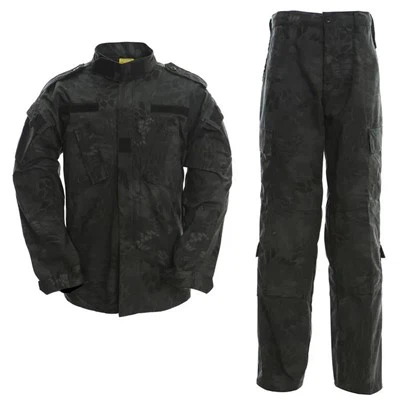


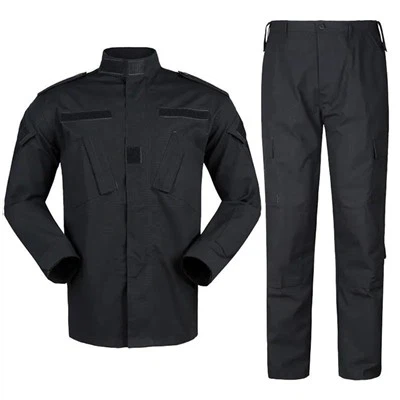


What is Military Combat Uniform?
Military combat uniform is the standard uniform worn by military personnel during combat operations or training exercises. These uniforms are designed to provide durability, functionality, and camouflage on the battlefield. They typically consist of a jacket and pants made of sturdy, camouflage-patterned fabric, along with other equipment such as boots, gloves, helmets, and body armor. The specific design and style of the combat uniform vary between different military organizations, but most include features such as pockets for storing equipment, reinforced stitching, and adjustable closures for a customizable fit.
Advantages of Military Combat Uniform
Fit
Ever wonder why inexpensive safety glasses look like knockoffs of expensive sunglasses? It's all about the fit. People feel more comfortable in them, so they are more likely to wear them all the time. Military combat uniform is the same way: if the fit isn't right, I'm likely to move on to another brand or style.
The Right Pockets
Pockets are a necessity, whether for your car keys, your pocket knife, spare magazines, or just to simply put your hands in. When pockets don't fit common items or are lined with material that won't support the items they are intended for, they're useless. So I find myself looking for a practical design for the pockets on clothing. I don't need too many, but I do need them to hold what they're intended to hold. And I need them in good locations, where I can easily reach the contents.
The Right Colors
There was a time when military combat uniform only came in military colors, limiting our choices to one flavor or another of OD green, khaki, or camouflage. As military combat uniform became more mainstream for law enforcement, we saw the addition of black and navy blue.
The Right Look
The look of military combat uniforms falls in sync with all the other features. In fact, they often culminate to create the look, but sometimes the look I'm after is something more contemporary. Less tactical, but just as functional. I've moved away from the time-honored, shapeless look of mainstream tactical clothing and become increasingly fond of the less tactical but more practical clothing.
The Right Features
Discussing the right features after touching on everything else may seem redundant, but there is more to features than just pockets and colors. Simple, often dismissed components can make a pair of pants more comfortable, a softshell more practical in adverse weather, or boots stand out from the competition.
Durability
Above and beyond everything else, Military combat uniform must have the durability to withstand the environment that the manufacturer advertises. Unfortunately, I know from experience that many simply don't live up to the hype. The unfortunate thing about military combat uniform is it typically doesn't fail until you're somewhere in the world where you can't simply change clothes or run out and buy something else when pants rip, boots fall apart, or a weather resistant piece of cold weather clothing leaves you with hypothermia.
Types of Military Combat Uniform
ACU
Military uniforms keep you dry and comfortable throughout army training since they are windproof, lightweight, moisture perspiration, breathable, robust, and quick-drying. Besides,the fabric can be customized according to your needs. By blending in well with different terrains, the ACU CP Camo pattern improves tactical advantage.
BDU
The BDU is a versatile piece of military clothing that has been used by armed forces personnel since the early 20th century. Its design has evolved over the years to keep up with changing battlefield conditions. The BDU is designed to provide comfort, protection, and mobility, making it an essential piece of military gear.
Frog Suit
The uniform is available in a variety of camouflage patterns to cater to diverse environments and mission profiles. Whether it's woodland, desert, or urban settings, Frog Suit G2 ensures optimal concealment and minimizes visibility to potential threats. The moisture wicking fabric ensures that it can withstand the harshest conditions while keeping the wearer dry and comfortable.
60% Cotton / 40% Polyester Twill
This 60% cotton / 40% polyester heavy-weight cloth is a very sturdy and long-life performer in the public safety community. Manufactured in a twill weave, this cloth balances comfort, durability, and color integrity very well while offering wind and wrinkle resistance. The 60/40 cotton/poly twill is slightly heavier than its ripstop counterpart, retains heat more and holds color longer. If ripped, the twill will not prevent the rip from growing as ripstop weaves do. The 60/40 Cotton/Poly twill is little heavier than its rip-stop counterpart, retains heat better, and holds color a little better too.
65% Polyester / 35% Cotton Ripstop
65% polyester / 35% cotton blend manufactured in a ripstop weave. This all-season fabric is durable, comfortable and fade-resistant. These qualities, along with color integrity, quick-drying capabilities and tear prevention, make fabric of choice for the public safety community.
100% Cotton Ripstop
100% cotton ripstop fabric was once the fabric of choice for the original military combat uniform in the late 80’s because it is lighter-weight, breathable, tear-resistant and very comfortable. As an all-natural fiber, cotton will fade, wrinkle and shrink faster than modern synthetic fabric blends. Cotton fibers will also lose their strength under industrial wear and long-term laundering.
60% Cotton / 40% Polyester Ripstop
60% cotton / 40% polyester ripstop is widely used in public safety apparel due to its balance between comfort, durability, and color integrity. The ripstop weave contributes to abrasion and tear resistance. Choose 60% cotton / 40% polyester ripstop military combat uniform when expecting hard-use in warmer conditions.
65% Polyester / 35% Cotton Twill
65% polyester/ 35% cotton twill is a heavy-duty fabric that provides excellent color integrity, shrink resistance and long-lasting durability. The addition of synthetic fibers make the material more rugged and quicker to dry than materials with a higher percentage of cotton fibers. The twill weave also contributes to wind and wrinkle resistance.
Application of Military Combat Uniform
Camouflage and Concealment
One of the primary applications of military combat uniforms is to provide camouflage and concealment to soldiers during combat operations. These uniforms are designed to blend in with the environment and provide protection against enemy fire.
Protection Against Harsh Weather Conditions
Military combat uniforms are also designed to provide protection against harsh weather conditions, such as extreme heat, cold, and wetness. Soldiers need to be protected from the elements to ensure that they can carry out their missions effectively.
Comfort and Mobility
Military combat uniforms are designed to be comfortable and provide ease of movement for soldiers. This is essential as it ensures that soldiers can move quickly and easily during combat operations without being hindered by their clothing.
Identification
Military combat uniforms also serve as a means of identification for soldiers. By identifying the uniform, soldiers can easily identify each other and avoid friendly fire incidents.
Uniformity
Military combat uniforms are designed to promote uniformity among the soldiers. This promotes a sense of unity and belonging among the soldiers, which is important for morale and team building.
The Best Way to Package and Fold Your Military Combat Uniform


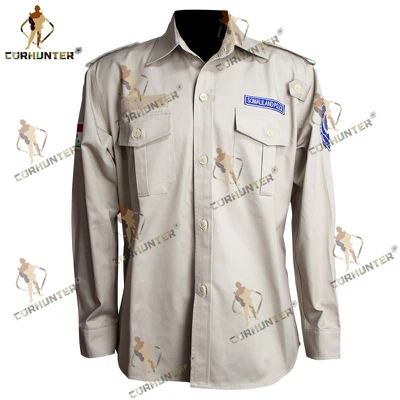
Folding Your Jacket
● Lay your jacket on a flat surface
A clean floor or table top usually works well for folding a uniform. Lay your jacket as flat as possible and run your hands over it to remove any wrinkles or creases.
● Zip up your jacket and seal the velcro
If your jacket is not already zipped and sealed, do so before folding it. The jacket should be zipped up completely and any velcro flaps should be sealed.
● Turn up your collar
If your collar is turned down, make sure to fold it upwards prior to rolling up your jacket. This will help your jacket fold up smoothly and remain wrinkle-free during the process.
● Fold your sleeves
You should fold either sleeve of the jacket across the chest. Fold them roughly at the shoulder line. The sleeves should overlap with each other near the center of the jacket.
● Turn the bottom of the jacket inside out
At the bottom of the jacket's zipper, you will find two flaps on either side of the jacket. Place one flap under the other. Then, fold all the fabric at the bottom of the jacket inside out. Any fabric below the zipper should be folded.
● Fold either side of the jacket inward
Fold one side of the jacket inward into the middle of the jacket. Do the same thing on the other side. The jacket should be folded in a rectangular shape. The two edges of your jacket should meet in the middle of the jacket's chest, falling near the zipper.
● Roll up the jacket
Starting at the top of the jacket, roll the jacket into a thin tube-like shape. Roll the jacket as tightly as you can, as this will save space in your bag.
Folding Your Pants
● Lay the pants on a flat surface
A tabletop or clean floor should be a good place to fold your pants. After lying your pants on this surface, smooth them out with your hands to remove any wrinkles or creases.
● Turn the top part inside out
Turn an inch or two on the top of your pants inside out. Fold enough of the pants that the pockets are folded inside out. Then, use your hands to gently flatten out the top of your pants and remove any wrinkles.
● Turn your pants upside down
Gently pick up your pants and turn them upside down. The zipper should be on the floor or table and the back of the pants should face upward. Use your hands to flatten your pants again after turning them upside down.
● Fold your pant legs
Take one pant leg and fold it over the center of your pants. Then, fold the second pant leg over the first one. When you're done, your pants should form a rectangular shape with the legs crossing over one another.
● Roll up your pants
Start at the bottom of your pant legs. Roll your pant legs up into a tight tube. Tighter is generally better, as this helps save space.
● Flatten the sides as you roll upward
As you roll your pants upward, they will start to unfold at the top. Periodically use your hands to flatten the sides of the pants and push them back into the middle. This will help your pants roll as neatly as possible.
● Complete your ranger roll
Keep rolling until you reach the top of your pants. Push any loose fabric that's sticking upward into the center of your rolled up pants. This should secure your pants so they can be safely packed.
Regular vs. Combat Pants
Combat pants exemplify the difference between tactical apparel and traditional clothing. Combat pants are lightweight, durable, and breathable like traditional pants but include several notable features you won't find on most commercial clothing:
● Extra pockets placed and sized for use
● Double reinforced seat and knees
● Calf cargo pockets
● Improved range of motion
● Self-adjusting tunnel waistband
This style of military combat uniform is designed to meet the wearer's needs far more than skinny jeans or capri pants.
Regular vs. Combat Shirt
Combat shirts don't offer the same level of utility compared to pants, but they serve the purpose of keeping police, firefighters, and EMS responders looking sharp and professional when on the job. Think of combat shirts as casual business attire for those whose office is on the streets and who don't mind getting dirty to get the job done.
Regular vs. Combat Accessories
Even more, combat doesn't just apply to apparel, but accessories too. Combat accessories include everything from useful items — such as flashlights, pocket knives, and safety glasses — to footwear, gloves, and support items like belts and bags. These items are designed to endure the elements, improve footing and grip, and resist puncturing or ripping.
Maintenance Tips for Military Combat Uniform
Remove Any Badges Before Washing
After unpacking and unrolling your uniform, check it carefully for any badges. These should be removed before washing. Also, check pant pockets for any items.
Turn Uniforms Inside out When Washing Them
To protect the velcro and the color, military combat uniforms should be turned inside prior to washing. Do this each time you wash your uniform.
Wash Your Uniforms Only in Cold Water
Cold water will prevent damage and discoloration, so always select the coldest water settings possible. If there is a sports wash or permanent press option on your washing machine, use that as well.
Hang Dry Uniforms
Avoid wringing or twisting uniforms to dry them. For best results, hang dry uniforms on a clothesline or hanger. If you're in a hurry, you can dry uniforms in a dryer. However, only dry on low to medium heat settings.
Keep Hazardous Materials Away from Uniforms
Bleach, fabric softener, chlorine, and starch can all harm military combat uniforms. Keep these materials away from army combat uniforms and never use detergents containing these materials when washing uniforms.
How to Clean a Military Combat Uniform?
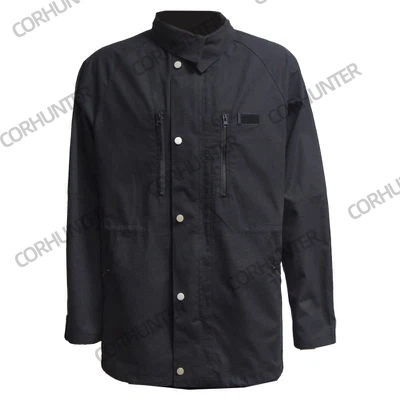
01.Cold-Water Cycles
02.Dry Gently
03.Don't Dry-Clean
Certifications

Our Factory

Ultimate FAQ Guide to Security Uniform
We're well-known as one of the leading military combat uniform manufacturers and suppliers in China. We warmly welcome you to buy or wholesale bulk customized military combat uniform made in China here from our factory. Contact us for more cheap products.
frog suit g2 military dress uniforms, british combat field jacket, high quality bdu military uniform