

-

Breathable Camouflage Outdoor Combat Uniform for Spring & Autumn
We can also produce the goods according to clients' requirements. Our factory is the Gold Supplier of Alibaba , which is the accessed supplier of Alibaba .
Add to Inquiry -
OEM Cotton Unisex Tactical Crew Neck Short‑Sleeve T‑Shirt
Made of 100% cotton, breathable and sweat-wicking, not stuffy, dry and not sticky, elastic and skin-friendly.
Add to Inquiry -
Frog Suit G2 Military Tactical Pants
G2 protective combat pants, 65% polyester, 35% cotton. Anti-abrasion and scratch-resistant, removable knee pads, body-shaping design.
Add to Inquiry -
Outdoor camouflage tactical pants, comfortable and wear-resistant, slim fit, suitable for spring and autumn..
Add to Inquiry -
Teflon waterproof multi-pocket tactical shorts. main fabric: 65% polyester, 35% cotton. fabric weight: 200GSM
Add to Inquiry -
New British S95 Camouflage COMBAT JACKET
Desert camouflage original British jacket called DPM Desert. Secure with a double-sided zipper covered with a material flap. With a large hood and high neck, it can keep out the cold. New product
Add to Inquiry -
Anorak Parka Camouflage pullover trench coat
Anorak Parka is a comfortable military-inspired pull over hooded jacket that is perfect for the outdoors and everyday wear. Corhunter is the foremost supplier of military, tactical, outdoor, survival
Add to Inquiry -
Georgia Wool Acrylic Tactical Sweater | Bulk OEM/ODM Manufacturer
At Wuhan Corhunter Garment, we engineer professional-grade apparel that bridges the gap between timeless military heritage and the rigorous demands of modern field operations. The Georgia Wool
Add to Inquiry -
Crew-Neck Winter Security Training Windproof Tactical Sweater
Genuine Italian Army Pullover: Complete your smart-casual look with a classic military issue mens knit sweater. A rich olive shade brings a timeless look to your wardrobe. The deep green hue and
Add to Inquiry -
Long Sleeve Round Men Pullover Clothes 100% Wool Tactical Sweater
Genuine Italian Army Pullover: Complete your smart-casual look with a classic military issue mens knit sweater. A rich olive shade brings a timeless look to your wardrobe. The deep green hue and
Add to Inquiry -
100% Wool German Commando Military Olive Drab Sweater For Men
Genuine Italian Army Pullover: Complete your smart-casual look with a classic military issue mens knit sweater. A rich olive shade brings a timeless look to your wardrobe. The deep green hue and
Add to Inquiry -
Italian Army Commando Pullover Mens Military Olive Wool Sweater
Genuine Italian Army Pullover: Complete your smart-casual look with a classic military issue mens knit sweater. A rich olive shade brings a timeless look to your wardrobe. The deep green hue and
Add to Inquiry
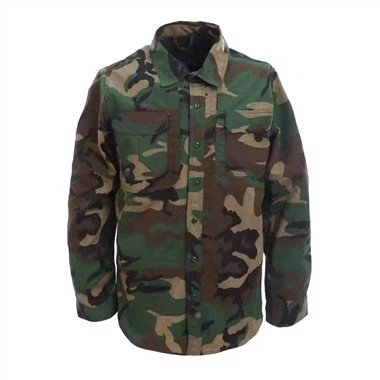


Tactical uniform is a clothing worn by military personnel or law enforcement officers that is specifically designed to provide them with functional advantages in their line of duty. These uniforms are typically made of high-performance materials that can withstand wear and tear in harsh conditions. Their design may include features such as reinforced knee and elbow pads, multiple pockets for carrying essential equipment, and hydration systems. Tactical uniforms are designed to provide comfort, protection, and improved performance in tactical situations.
Advantages of Tactical Uniform
Full Flexibility
Quality tactical uniforms give your employees the ability to move their arms, legs, and heads quickly and safely. Few things are more important when they are chasing a suspect, reacting to signs of danger, or grappling with someone. Not only does uniform flexibility make it easier for them to react quickly, but it reduces the risk that they will hurt themselves when they need to make a sudden movement.
Storage Space
A good tactical uniform is outfitted with ample pockets, both outside and in. This gives your employees the space to hold any tools or equipment that they use on the job. Uniform storage space is particularly important if your workers need to carry weapons. The more storage areas they have and the easier they are to reach, the less trouble employees will have accessing their weapons quickly in an emergency, and the lower the chance that they will store them in an unsafe place. Such storage spaces are also important if your workers carry communications equipment, visual aids, and anything else that they may need to grab quickly while on the job.
Pervasive Protection
Depending on where you station them, employees who provide security and combat services may need to endure extreme heat, cold, rain, sunlight, or snow. These elements aren't just unpleasant and dangerous in their own right; they also distract and irritate employees, limiting their ability to respond quickly in a dangerous situation. Tactical uniforms provide protection against extreme conditions, so that your employees can stay safe, comfortable, and ready for anything. In addition to protecting your employees against the elements, certain tactical uniforms provide limited protection against bullet and knife wounds. While you shouldn't exaggerate the benefits of this protective equipment, it can make a big difference if your employees have to face off against an especially dangerous individual.
Vital Visibility
Police officers, security guards, and other tactical employees must walk a fine line over visibility. If they're too easy to see, dangerous individuals will have an easier time attacking them. But if they're too hard to see, they risk being injured by traffic, heavy machinery, or other hazards, depending on where they work. Tactical uniforms provide a balance between these two extremes, so that your employees achieve the right level of visibility.
Tactical Suit
Combat Shirt is a combat-specific garment specifically designed to be worn under body armor. It keeps you cool with sweat-wicking, lightweight, high-performance, torso fabric and reinforced mil-spec 50/50 NYCO ripstop sleeves. Designed to be used with our removable elbow pads (sold separately). The G3 Combat Shirt features a zipper collar that allows for easy donning and doffing.
Actical Shirt
Made from polyester-cotton blend for a snug fit, it's perfect for duty departments, firefighters, outdoor enthusiasts and tactical enthusiasts. The tactical short sleeve shirts are lightweight, durable, versatile and high quality.
Military Parka Jacket
Foldable hood design, the hood is not removable, but can be folded for storage. Adhesive personalized armband design, nylon wool fabrics are designed on both sides of the arms, and matching armbands can be glued, personalized logo. The rough surface is laser-cut, and it does not fall off the thread and is durable.
Military Tactical Pants
The elastic waistband has a strong three-dimensional effect, and the bold version of the waist tripping, the waist is obedient, and the firmness is increased. Hidden zipper on the front, can withstand more than 100,000 times of repeated pulling and closing, and the pulling and closing density is comfortable.
Camouflage Clothing
Worn over winter uniforms, it is perfect for disguising the wearer in winter outdoors and in urban areas. This makes the pattern particularly attractive to hunters, although anyone who needs camouflage in winter will be happy with the pattern.
Application of Tactical Uniform
Law Enforcement
Police, SWAT teams, and other law enforcement officers wear tactical uniforms to ensure maximum maneuverability, protection, and identification on the field. The tactical uniform may include vests, body armor, helmets, gloves, boots, and other accessories that are designed for tactical use. In addition, the uniform may be equipped with pockets and pouches to hold gear and weapons.
Military
Soldiers and military personnel wear tactical uniforms to provide the highest level of protection on the battlefield. The tactical uniform is designed to be lightweight, durable, and breathable, and may include camouflage patterns to blend in with the environment. In addition, soldiers wear a variety of protective gear such as combat helmets, body armor, and gloves.


Outdoor Activities
Hunters, hikers, and other outdoor enthusiasts may wear tactical uniforms for added protection, comfort, and convenience. The uniform may include sturdy boots, hiking pants, and tactical vests with pockets and pouches to hold essential gear.
Emergency Services
First responders, such as firefighters and paramedics, may wear tactical uniforms to ensure they are visible and protected on the job. The uniform may include high-visibility colors, reflective tape, and flame-resistant materials.
What Kind of Materials Suitable for Tactical Uniform?
Outdoor Fabrics
Outdoor fabrics are usually made of a blend of nylon and polyester, with characteristics such as waterproof, windproof, breathable, and abrasion resistance, while also being softer and more comfortable than single materials.
Nylon
Nylon is a lightweight, abrasion-resistant, and tear-resistant material with excellent waterproof performance. Many tactical clothing is made of nylon material.
Polyester Fiber
Polyester fiber has excellent abrasion resistance and breathability, as well as wrinkle resistance, shrinkage resistance, and UV resistance.
Outdoor Wool
Outdoor wool materials can provide warmth and have characteristics such as waterproof, breathable, and windproof, making it suitable for tactical clothing in cold weather.
Outdoor Coating Fabrics
Some special coating fabrics can provide additional protection for tactical clothing, such as fire resistance, UV resistance, chemical resistance, and insect resistance.
Tactical Uniforms Will Feel Comfortable in Any Situation
The Identity of the Tactical Uniform
Part of the reason officers wear uniforms is to have a clear identity. They need to stand out from the crowd, assist and guide people in emergency situations. Wearing combat uniforms ensures their visibility while also subtly reminding people of their training and responsibilities. Tactical police uniforms show that police officers have all the protection and equipment they need and are ready for any situation. Combat uniforms also provide a standardized look, helping the team by creating a sense of camaraderie among officers—a bond that is crucial when trying to achieve difficult goals in the field.
The Comfort of the Tactical Uniform in Any Situation
Like other responders who need to act quickly, comfort is extremely important to law enforcement officers. Combat uniforms are generally more durable than traditional uniforms because they don't have any metal buttons, ties, or pins. Removing these accessories removes restrictive items that can get caught or torn in stressful situations. Without the dangling colorful accessories, these uniforms are also more practical at night or in unexpected weather. Additionally, many combat suits include moisture-wicking fabrics that absorb sweat to keep officers cool and comfortable at all times.
Tactical Uniforms Are More Sturdy and Durable
Since combat suits are designed to mimic military uniforms, they are made of durable materials. Not only are they treated to resist stains and fade, but they're also reinforced in areas like the knees and elbows. This provides additional protection for police in areas where they are most likely to touch hard surfaces. The tough aspect of combat suits is often caused by the polyester/cotton blend they are made from. The material is breathable and won't shrink, wrinkle or tear from frequent and demanding use.
What You Should Pay Attention to When Choosing Tactical Uniform?

01.Utility
02.Fabric
03.Fit
04.Features
05.Climate
06.Durability
How to Care for a Tactical Uniform?
Follow Care Instructions
Caring for your tactical uniform well begins with following the manufacturer's care instructions. Each uniform type is made from different materials and might require different care methods. As such, reading and following the instructions closely is paramount.
Wash Only as Often as Necessary
Uniforms should be cleaned regularly, depending on the amount of use, to eliminate dirt, sweat, and odor. Yet, excessive washing can cause wear and tear to the fabric, so it's best to wash the tactical uniform only as often as is necessary. When washing tactical uniforms, don't use hot water as it can damage the material. Instead, use cold water and a gentle detergent. Avoid bleach and fabric softeners as they can cause irreversible damage to the uniform's fibers, compromising its shape.
Hang to Dry
Always allow the tactical uniform to hang dry. Avoid using a dryer, as temperature extremes can damage the fabric and cause shrinkage. Hang the tactical uniform on a hanger or drying rack and let it air dry completely before storing it.
Iron with Care
Ironing is a necessary step for keeping a tactical uniform looking sharp and polished. However, it must be ironed carefully to avoid damaging the fabric. Set the iron to low heat and avoid ironing any embroidered details, ribbons, and other items. Use a pressing cloth to protect the fabric and prevent shine marks.
Promptly Repair Any Damages
If you notice any tears in the fabric, holes, or loose threads, repair them immediately. Damages that are not addressed can get worse and may even compromise the functionality of the uniform. If needed, have a tailor inspect and fix any seams or stitching to ensure the tactical uniform remains in good condition.
Limit Sun Exposure
Prolonged exposure to the sun or extreme temperatures can cause your tactical uniform to fade and lose its color. It is best to avoid hanging your uniform outside or in direct sunlight.
Everything You Need to Know
Use Acid-Free Tissue Paper
Protect the tactical uniform using acid-free tissue paper, which is pH neutral and does not contain harmful chemicals. Fold the tactical uniform neatly and add a layer of tissue paper over it, making sure to cover the entire surface. Make as few folds as possible, but make sure the whole garment is covered. This will prevent the garment from creasing or fading and protect it from dust, dirt, and pests.
Store Uniforms in a Dark Place
Proper storage of tactical uniforms is important for preventing fabric damage. Sunlight or artificial light can cause significant damage to a uniform, particularly vintage or old uniforms. Faded tactical uniforms can decrease the historical value and overall aesthetic appeal of the garment. To prevent this, store the uniform in a dark and dry location, free from any light exposure. A closet, drawer, or cabinet are all possible storage locations. It's also important to prevent any moisture from accumulating on the uniform, as such conditions can lead to the development of mold and mildew.
Use an Organic Storage Bag
One of the easiest ways to ensure tactical uniforms stay protected while in storage is to store them in breathable, organic storage bags. High-quality garment bags and storage bags are made from lightweight materials such as organic cotton and are the best choice for storing military clothing. These types of storage and garment bags protect uniforms from dust, light, moths, mold, and condensation.
Avoid Hanging Uniforms
Tactical uniforms that are hung for long periods can lose their form over time. The weight of the garment combined with gravity creates excessive weight on certain areas of the uniform, which can cause tears. However, if you must hang your uniform, consider using a padded hanger to evenly distribute its weight and prevent damage.
Keep Uniforms Away from Heat Sources
Keeping tactical uniforms away from heat sources is important to avoid damage. Heat can cause textiles to shrink, causing irreversible damage. Do not store uniforms near a heat source like a radiator, A/C, or other heating devices.
Use Archive Tissue Paper to Wrap Medals
Archive tissue paper is excellent for individually wrapping tiny items and medals. It can also be used to stuff the insides of uniforms and hats, which will help the garments maintain their shape.
Check on Uniforms Regularly
To preserve tactical uniforms, it's important to check on them occasionally even if they have been cleaned and stored properly. This will help you catch any damages early and have them repaired before they get worse.
Certifications

Our Factory

Ultimate FAQ Guide to Security Uniform
We're well-known as one of the leading tactical uniform manufacturers and suppliers in China. We warmly welcome you to buy or wholesale bulk customized tactical uniform made in China here from our factory. Contact us for more cheap products.
