

Do tactical gloves provide protection from chemicals?
Jul 18, 2026
Hey there! As a supplier of tactical gloves, I get asked a ton of questions about the protection they offer. One of the most common queries is, "Do tactical gloves provide protection from chemicals?" Well, let's dive right into it and break down the ins and outs of this topic.
First off, it's important to understand that not all tactical gloves are created equal when it comes to chemical protection. Tactical gloves are designed for a variety of purposes, from military operations and law enforcement to outdoor activities and industrial work. Each type of use may require different levels of protection, including protection against chemicals.
When we talk about chemical protection, we're referring to the glove's ability to prevent chemicals from coming into contact with the skin. This can range from mild irritants like cleaning solutions to highly toxic substances like chemicals used in industrial processes. The level of protection needed depends on the type of chemical, its concentration, and the duration of exposure.
Material Matters
The material of the glove plays a huge role in determining its chemical resistance. Different materials have different properties that make them more or less effective at protecting against specific chemicals.

Leather gloves are a popular choice for tactical use because they're durable and offer good abrasion resistance. However, they're not the best option for chemical protection. Leather can absorb chemicals, which can then cause skin irritation or even be absorbed into the body. So, if you're dealing with chemicals, leather gloves might not be your best bet.
Nitrile gloves, on the other hand, are known for their excellent chemical resistance. They're made from a synthetic rubber that's resistant to a wide range of chemicals, including oils, greases, and many solvents. Nitrile gloves are often used in industries where chemical exposure is a concern, such as laboratories and manufacturing plants.
Neoprene gloves are another option. They're made from a synthetic rubber that's resistant to water, oil, and some chemicals. Neoprene gloves are flexible and comfortable to wear, making them a good choice for activities where you need to have dexterity while also being protected from chemicals.
Our Tactical Gloves and Chemical Protection
At our company, we offer a range of tactical gloves, each with its own set of features and benefits. Let's take a look at some of our products and see how they stack up when it comes to chemical protection.
-
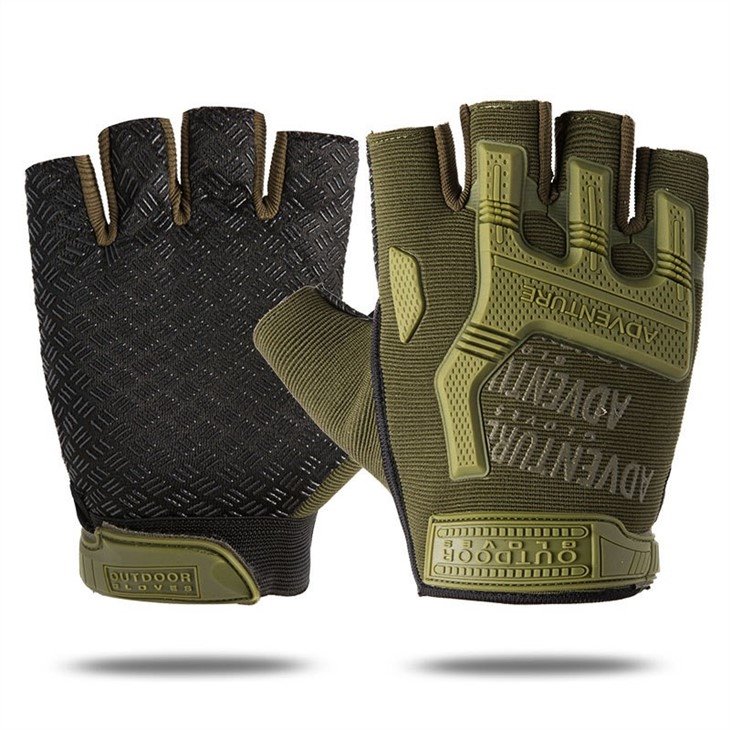
Half Finger Military Tactical Camo Gloves: These gloves are designed for maximum dexterity, making them great for tasks that require a lot of hand movement. The half-finger design allows for better grip and tactile sensitivity. While they're not specifically designed for chemical protection, they're made from a durable material that can provide some level of protection against mild chemicals. However, if you're dealing with more hazardous chemicals, you might want to consider a different option.
-
Military Protective Tactical Gloves Army Gears: These gloves are built for tough conditions and offer a high level of protection. They're made from a combination of materials that provide good abrasion resistance, as well as some level of chemical resistance. The gloves are designed to be comfortable to wear for extended periods of time, making them a great choice for military and law enforcement personnel who may be exposed to chemicals in the line of duty.
-
Full Finger Hard Knuckle Military Tactical Gloves: These gloves are designed for maximum protection. The hard knuckle design provides extra protection against impact, while the full-finger coverage offers more protection against chemicals and other hazards. They're made from a high-quality material that's resistant to a wide range of chemicals, making them a great choice for industrial work or other situations where chemical exposure is a concern.
Factors to Consider
When choosing tactical gloves for chemical protection, there are a few factors you need to consider:
- Type of Chemical: Different chemicals require different levels of protection. Make sure you know what type of chemicals you'll be dealing with and choose gloves that are specifically designed to protect against those chemicals.
- Duration of Exposure: If you'll be exposed to chemicals for a long period of time, you'll need gloves that offer a higher level of protection.
- Dexterity: If you need to perform tasks that require a lot of hand movement, you'll need gloves that are flexible and allow for good dexterity.
- Comfort: You'll be wearing the gloves for an extended period of time, so make sure they're comfortable to wear. Look for gloves that are made from a breathable material and have a good fit.
Conclusion
So, do tactical gloves provide protection from chemicals? The answer is, it depends. Some tactical gloves offer a high level of chemical protection, while others are better suited for other types of tasks. When choosing tactical gloves, it's important to consider the type of chemicals you'll be dealing with, the duration of exposure, and your need for dexterity and comfort.
If you're in the market for tactical gloves, we'd love to help you find the right pair for your needs. Our team of experts can answer any questions you have and help you choose the gloves that are best suited for your specific situation. Whether you're in the military, law enforcement, or an industrial worker, we have a wide range of tactical gloves that can provide the protection you need.
Don't hesitate to reach out to us if you have any questions or if you're interested in purchasing our tactical gloves. We're here to help you stay safe and protected.
References
- "Chemical-Resistant Gloves: A Guide to Selection and Use." Occupational Safety and Health Administration (OSHA).
- "Gloves for Chemical Protection." National Institute for Occupational Safety and Health (NIOSH).