

How do tactical gloves compare to regular work gloves?
Sep 04, 2026
In the realm of hand protection, the choice between tactical gloves and regular work gloves can significantly impact performance, comfort, and safety. As a supplier of high - quality tactical gloves, I've witnessed firsthand the diverse needs of users and how different types of gloves meet those requirements. This blog aims to provide a comprehensive comparison of tactical gloves and regular work gloves to help you make an informed decision.
Design and Construction
Tactical gloves are engineered with a focus on functionality in high - stress and specialized situations. They often feature advanced materials and construction techniques. For instance, many tactical gloves incorporate reinforced stitching and durable fabrics to withstand rough handling and abrasion. The Microfiber Tactical Assault Gloves are a prime example. These gloves are made from microfiber, which offers excellent grip, flexibility, and resistance to wear and tear. The design is also ergonomic, allowing for a natural hand movement, crucial in activities such as combat training or outdoor sports.
On the other hand, regular work gloves are designed for general - purpose use in a variety of work environments. They are typically simpler in construction, made from common materials like leather, cotton, or synthetic blends. While they provide basic hand protection, they may not have the same level of precision or durability as tactical gloves in extreme situations. For example, a pair of leather work gloves might be great for light carpentry work but may not hold up well in a high - impact military or tactical scenario.
Protection Level
One of the key differences between tactical gloves and regular work gloves lies in the level of protection they offer. Tactical gloves are designed to protect the hands from a wide range of threats, including cuts, abrasions, impacts, and even chemical exposure in some cases. The Full Finger Tactical Gloves for Outdoor Sports, Military Enthusiasts & Combat Training come with hard - knuckle protection, which shields the hands from blunt force trauma during combat or other high - risk activities. They also often have cut - resistant materials in critical areas to prevent injuries from sharp objects.
Regular work gloves, however, usually provide protection against more common workplace hazards such as minor cuts, scrapes, and splinters. For example, a pair of cotton work gloves might be sufficient for handling light materials in a warehouse, but they would not offer the same level of protection as tactical gloves in a more dangerous environment.
Grip and Dexterity
Grip and dexterity are essential factors in both tactical and work glove applications. Tactical gloves are designed to provide a superior grip, even in wet or slippery conditions. This is achieved through the use of specialized materials and textures on the palm and fingers. The Military Protective Tactical Gloves Army Gears have a non - slip surface that allows users to maintain a firm hold on weapons, tools, or equipment. At the same time, they offer high dexterity, enabling users to perform delicate tasks such as operating a firearm's trigger or adjusting small equipment controls.
Regular work gloves may have a decent grip, but they may not be as refined as tactical gloves. They are often more focused on providing a general hold rather than the precise grip required in tactical situations. For example, a pair of rubber - coated work gloves might be good for handling wet items in a factory, but they may not allow for the same level of fine motor control as tactical gloves.
Comfort and Fit
Comfort and fit are crucial for prolonged use of gloves. Tactical gloves are designed to fit snugly without restricting movement. They often have adjustable straps or closures to ensure a personalized fit. The Full - finger Protective Military Cycling Tactical Training Gloves are made with breathable materials to prevent sweating and discomfort during long - term use. They also have padding in strategic areas to reduce fatigue and provide additional comfort.
Regular work gloves may vary in terms of comfort and fit. Some may be too loose or too tight, which can lead to discomfort and reduced productivity. While they may be suitable for short - term use, they may not be as comfortable as tactical gloves for extended periods of work or high - intensity activities.
Versatility
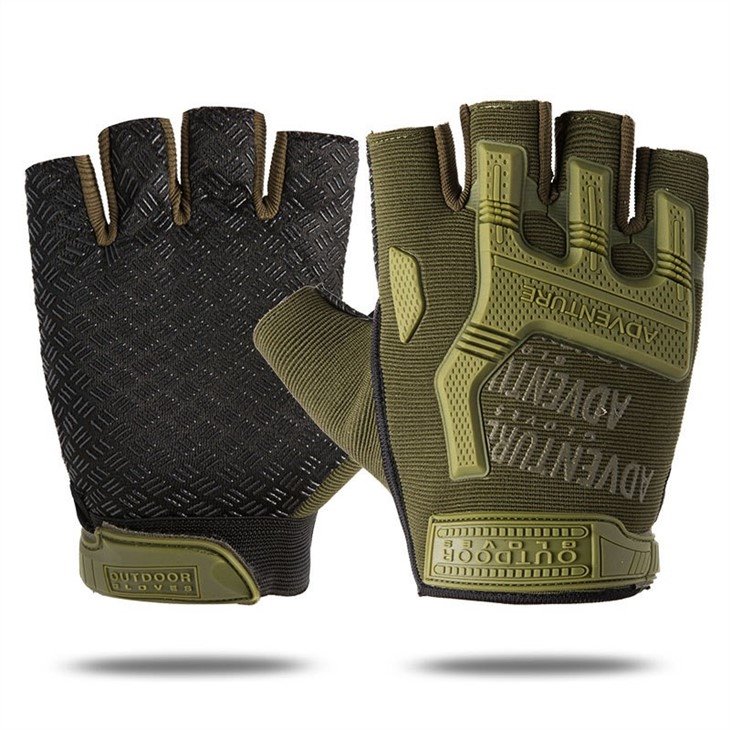
Tactical gloves are highly versatile and can be used in a wide range of scenarios. They are popular among military personnel, law enforcement officers, outdoor enthusiasts, and sports athletes. For example, the Half Finger Military Tactical Camo Gloves are suitable for activities such as shooting, hiking, and cycling. They offer a good balance between protection and dexterity, making them useful in different environments.
Regular work gloves are more limited in their versatility. They are typically designed for specific types of work, such as construction, gardening, or automotive repair. While they can perform well in their intended applications, they may not be as adaptable as tactical gloves in other situations.

Cost
Cost is an important consideration when choosing between tactical gloves and regular work gloves. Tactical gloves generally tend to be more expensive due to their advanced features, high - quality materials, and specialized design. However, the investment is often justified by their superior performance, durability, and protection. Regular work gloves are usually more affordable, making them a popular choice for general - purpose use where high - end features are not necessary.
When to Choose Tactical Gloves
If you are involved in high - risk activities such as military operations, law enforcement work, combat training, or extreme outdoor sports, tactical gloves are the clear choice. Their advanced protection, grip, and dexterity features can enhance your performance and keep you safe in challenging situations.
When to Choose Regular Work Gloves
For general - purpose work in a relatively low - risk environment, such as light construction, gardening, or simple maintenance tasks, regular work gloves are sufficient. They offer basic protection and are more cost - effective for these types of applications.
Conclusion
In conclusion, the choice between tactical gloves and regular work gloves depends on your specific needs and the nature of the activities you are engaged in. Tactical gloves offer superior protection, grip, dexterity, and versatility, making them ideal for high - stress and specialized situations. Regular work gloves, on the other hand, are suitable for general - purpose use and are more budget - friendly.
As a supplier of tactical gloves, I understand the importance of providing high - quality products that meet the diverse needs of our customers. If you are interested in learning more about our range of tactical gloves or would like to discuss a potential purchase, please feel free to reach out. We are committed to helping you find the perfect gloves for your requirements.
References
- "Hand Protection in High - Risk Environments", Journal of Safety and Protection
- "The Science of Grip and Dexterity in Gloves", Ergonomics Research Quarterly
- "Comparative Analysis of Tactical and Regular Work Gloves", Industrial Safety Journal