
Characteristics Of Military Uniform Fabrics
Sep 23, 2023
Professional fabric selection:
Military fabrics are not ordinary textiles. They must withstand rigorous conditions, making fabric selection a critical aspect of uniform manufacturing. The main characteristics of military fabrics include:
Durability: Military uniforms must be able to withstand harsh environments, from rugged terrain to combat situations. Fabrics are often chosen for their exceptional durability, high resistance to abrasion and tearing.
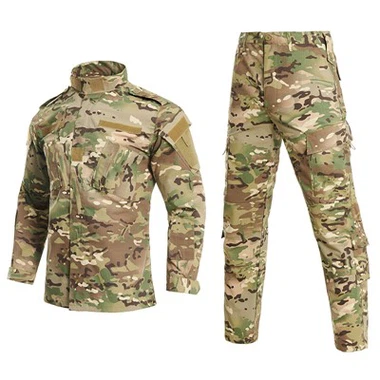
Camouflage: Camouflage patterns are an integral part of military uniforms, helping to conceal and blend into a variety of terrains. The fabrics are designed with these patterns to maximize the effect.
Flame retardancy: Many military operations involve the risk of fire or explosion. Flame retardant fabrics are critical to protecting soldiers from burns and injuries.
Moisture Management: Effective moisture-wicking properties are critical to keeping soldiers dry and comfortable, especially in hot and humid climates.
Insulation: In cold climates, uniforms need insulation to keep the body warm but not be too bulky.
Weight and Breathability: Lightweight, breathable fabric helps reduce fatigue and heat stress during long missions.
Advances in technical fabrics:
Advances in textile technology led to the development of highly specialized military fabrics. Some examples include:
Ballistic Resistant Materials: Fabric technology has evolved to include ballistic resistant materials that provide protection against bullets and shrapnel while remaining flexible and lightweight.
Conductive fabrics: Some uniforms feature conductive fabrics for integrated communications systems, allowing soldiers to stay connected on the battlefield.
Nanotechnology: Nanofiber technology enhances fabric properties, such as water resistance and UV protection, making uniforms more versatile.
Anti-infrared: Modern military fabrics often feature anti-IR coatings to reduce detection by night vision devices.
Climate and terrain adaptability:
Military uniforms must adapt to a variety of climates and terrains, from arid deserts to dense jungles. Fabrics are designed with these factors in mind to provide soldiers with the necessary protection and comfort.
Compliance and Standards:
Manufacturers in the military uniform industry adhere to strict compliance and quality control standards. These standards ensure fabrics meet safety, performance and environmental requirements.
in conclusion:
The military uniform industry is characterized by meticulous attention to fabric technology, design and functionality. Specialty fabrics that offer durability, camouflage, flame retardancy, moisture management and adaptability to a variety of conditions are the cornerstone of modern military uniforms. As technology continues to advance, the industry will undoubtedly witness further innovations in fabric development to meet the ever-changing needs of armed forces around the world. Success in this industry requires a deep understanding of the unique qualities of military fabrics and their critical role in soldier protection and performance.