During the Counterattack Against Vietnam, a Vietnamese commando carried ten pieces of equipment, and the gun he used was made in China
Apr 10, 2026
During the Counterattack Against Vietnam, in order to infiltrate our lines and gather battlefield intelligence, the Vietnamese side deployed many commando team members, equivalent to modern special forces. To reduce their profile, these commandos usually operated in teams of one or two and were equipped with the best weapons and gear available in the entire North Vietnamese army.
In this article, let's take a look at the ten pieces of individual equipment carried by a typical Vietnamese commando during the Counterattack Against Vietnam.

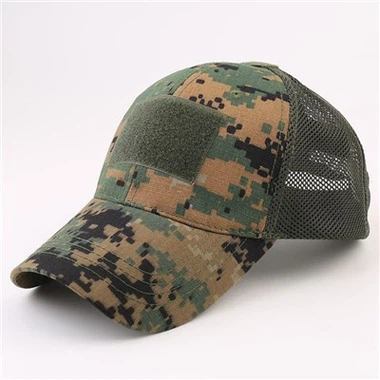
1. Duck Hunter Camouflage Hat
The Vietnamese battlefield was typically a jungle environment, so to remain more concealed, Vietnamese commandos usually equipped themselves with camouflage hats and uniforms for better stealth.
The camouflage hat was locally made in Vietnam, shaped similarly to a modern baseball cap, but with straps added to the sides to prevent it from falling off during intense movement. However, the fabric for the hat was not produced by Vietnam itself - it was captured from the U.S. military during the Vietnam War, specifically four-color duck hunter camouflage fabric.
2. Duck Hunter Camouflage Uniform
The camouflage uniform issued to Vietnamese commandos was similar to the hat in terms of origin-the uniform pattern was self-designed, while the fabric was captured from the U.S. military during the Vietnam War, also using the four-color duck hunter camouflage material.
The camouflage uniform was of a one-piece design, with trousers and jacket connected together. It was worn by pulling it directly over the body, similar to Western-style coveralls. Although this type of camouflage uniform originated in the 1940s, it still provided excellent concealment in jungle environments during the Counterattack Against Vietnam in the late 1970s. In fact, the Vietnamese military still uses this style of camouflage combat uniform today.


3. Sun Helmet
This is the most distinctive combat helmet of the Vietnamese military. Designed specifically for tropical environments, it provides heat protection and sun protection, hence the name "Sun Helmet" (or "cool helmet"). The inside of the helmet is neither metal nor Kevlar, but is instead made of wood. To conceal imperfections, the outside is covered with a fabric helmet cover.
During the Counterattack Against Vietnam, both conventional Vietnamese forces and commando units were generally equipped with this type of sun helmet. Decades have passed, yet the Vietnamese sun helmet remains in service today, still issued to conventional units of the Vietnamese military.
4. Leather Shoes
During the Counterattack Against Vietnam, the most commonly used footwear among the Vietnamese military was the "tire sandal"-simple sandals made from discarded tire rubber. However, that was what conventional troops used. Commandos, on the other hand, often operated in various combat environments, and tire sandals were not practical for them.
Instead, they would choose leather shoes or combat boots with thick soles and a certain degree of protection, with high-top leather shoes being the most common. Most of these leather shoes were captured from the U.S. military and then modified, while others were domestically produced by Vietnam. Their styles were not uniform.


5. American-style Backpack
When Vietnamese commandos were on infiltration or reconnaissance missions, they might be separated from the main force for several consecutive days. Therefore, they would carry a backpack to hold their personal supplies, such as individual rations, drinking water, or other daily necessities.
The types of backpacks used by commando team members varied widely. Some used shoulder bags, while others used backpacks-especially the two-strap backpack, which was the most common. The primary source was also captured U.S. military gear from the Vietnam War. These backpacks were typically made of canvas material and featured multiple compartments inside, allowing items to be organized separately.
6.Chinese-style Canteen
Like the regular forces, every Vietnamese commando carried a field canteen to hold drinking water.
In the late 1970s, the Vietnamese military canteen was modeled after China's Type 65 military canteen. It also had an elliptical-shaped body, made primarily of aluminum, with a water capacity of about 1 liter. The bottle cap was a rotating nylon cap as well. For ease of carrying during marches, the canteen was fitted with an olive-drab canvas canteen cover. Overall, it closely resembled China's Type 65 military canteen. This type of canteen is still used by the Vietnamese military today.


7. American-style Compass
When operating alone, Vietnamese commandos would carry a military compass with them to better determine their geographic position and avoid losing their way.
Most of the compasses they used were also captured from the U.S. military during the Vietnam War, though the specific model is unknown. However, from the Vietnamese perspective, U.S. military compasses offered high accuracy and were compact and well-made-making them most suitable for the Vietnamese commandos who frequently carried out reconnaissance and infiltration missions.
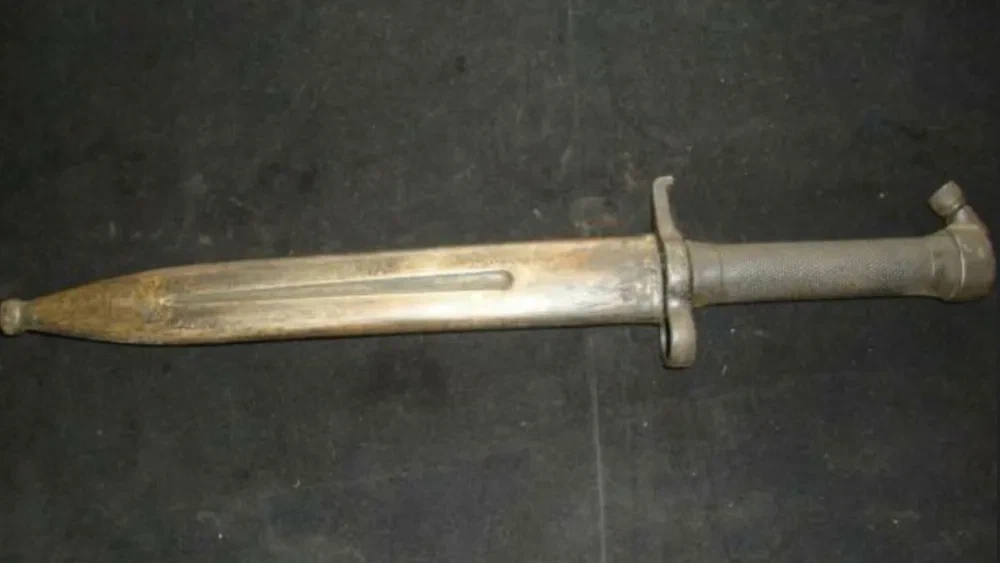
8. Dagger
Typically, a Vietnamese commando would also carry a short dagger on his person, mainly for handling unexpected situations, or for conducting surprise attacks and silently eliminating sentries.
The daggers used by Vietnamese commandos were not standardized. Some were captured from U.S. forces during the Vietnam War, while others were self-made.
9. Type 64 Suppressed Submachine Gun
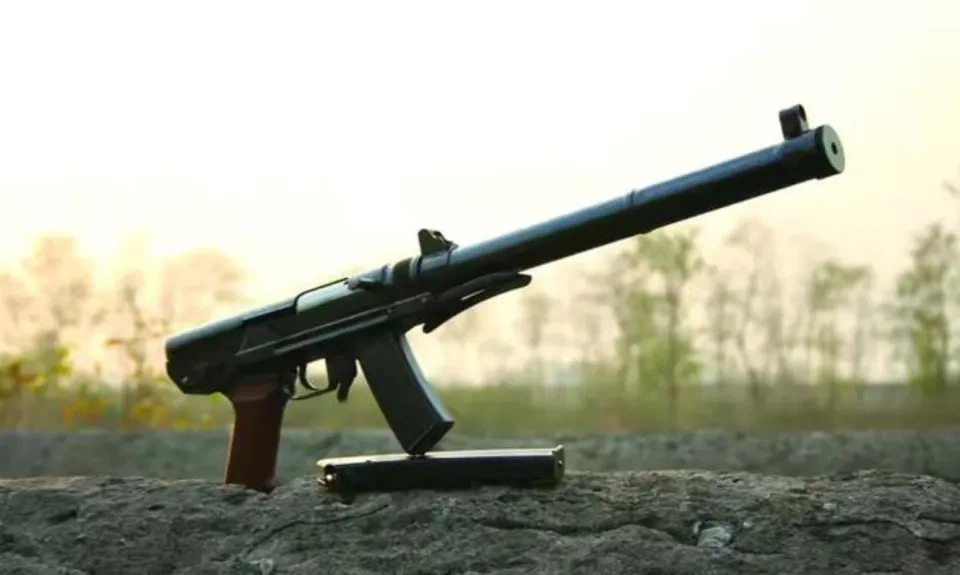
During the Counterattack Against Vietnam, most of the heavy and light weapons used by the Vietnamese military were previously provided to them by China as aid. In addition to the common Type 56 assault rifle, there were also a small number of Type 64 suppressed submachine guns. This model was primarily issued to Vietnamese commandos, because the gun produced very little noise when fired and offered strong concealment, making it most suitable for the reconnaissance and infiltration missions carried out by Vietnamese commandos.
The Type 64 suppressed submachine gun fired 7.62×25mm subsonic ammunition and was fed by 20- or 30-round magazines. In combat, it could fire in semi-automatic or fully automatic modes, with a theoretical rate of fire of about 800 rounds per minute and an effective range of 200 meters. For the Vietnamese at the time, this gun was considered an advanced weapon. The pity is that the Type 64 suppressed submachine gun was used by these "ingrates" (literally "white-eyed wolves") to turn against the friends who had once helped them.
10.Submachine Gun Chest Rig
Vietnamese commandos equipped with the Type 64 suppressed submachine gun also carried a dedicated magazine carrier for the weapon, which we commonly refer to as a "chest rig."
This ammunition carrying rig was also provided to Vietnam by China back then. The main body of the chest rig is olive green, sewn from canvas fabric, and features six individual pouches. The four pouches in the middle are for holding magazines, while the two larger pouches on the sides can be used to carry gun tools or additional ammunition.

The above are the ten pieces of equipment carried by a typical Vietnamese commando during the Counterattack Against Vietnam.