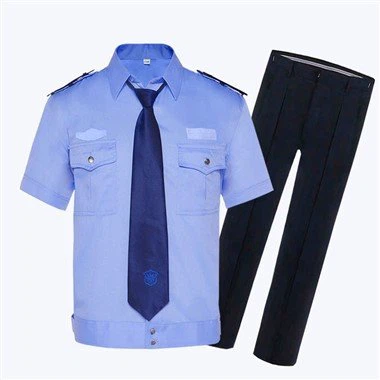
Flame-Resistant Tactical Uniforms: Aramid/Nomex® Fabric Standards, Thermal Performance Testing (ISO 15025), and Application Scenarios
Jul 07, 2026
1. Introduction: Why Do Tactical Garments Need Flame Resistance?
In tactical operations, fire and high heat are the hidden threats second only to enemy fire. Military and law enforcement personnel may face: fuel fires following vehicle or helicopter crashes, instantaneous high heat from IEDs or RPG explosions, flash fires during CQB, and accidental contact with muzzle flash during shooting drills. In these scenarios, ordinary clothing-even tactical clothing-once ignited, will continue to burn, melt, and drip, causing severe secondary burns to the wearer.
The core value of flame-resistant tactical uniforms is buying the wearer precious time to escape or extinguish the fire. In a fire, a few seconds can be the difference between life and death. DuPont developed Nomex® fiber for U.S. Navy flight suits in the early 1960s, pioneering modern flame-resistant technology. Since then, FR fabrics have expanded from aviation to ground forces, law enforcement, firefighting, and industrial safety.
This article systematically analyzes FR tactical uniforms from four dimensions: fabric technology, testing standards, design considerations, and application scenarios.

2. Core Fabric Technologies: Inherently Flame-Resistant vs. Treated Flame-Resistant
FR fabrics can be divided into two major categories: inherently flame-resistant fibers and treated flame-resistant fabrics.
2.1 Inherently Flame-Resistant Fibers
Inherently flame-resistant fibers derive their FR properties from the fiber's own chemical structure, not from externally applied flame retardants. This means:
- FR performance is permanent-does not diminish with washing or abrasion
- Does not melt or drip when exposed to a flame-prevents secondary burns from molten material
- Self-extinguishing-stops burning when the flame source is removed
Aramid fibers offer the best overall performance for flame-protective clothing, combining high strength, good spinnability, inherent flame resistance, high-temperature resistance, no melting, and no toxic gas emission. They are the ideal material for firefighter turnout gear, rescue suits, and military/police combat uniforms.
Major inherently FR fiber types:
| Fiber name | Chemical name | Brand/Representative | Core characteristics | Typical applications |
| Meta‑aramid | Poly(meta‑phenylene isophthalamide) | Nomex® (DuPont), New Star (domestic) | Inherently FR, high‑temperature resistant, no melt‑drip, good comfort | Firefighter outer shells, military/police uniforms, flight suits |
| Para‑aramid | Poly(para‑phenylene terephthalamide) | Kevlar® (DuPont) | Ultra‑high strength, cut‑resistant, better elongation than Nomex | Bulletproof vests, cut protection, reinforcement panels |
| Polysulfonamide | Poly(sulfonamide) | Tanlon® | Heat resistance superior to aramid 1313 and 1414 | High‑temperature filtration, protective clothing |
| PBI | Polybenzimidazole | PBI | Extremely high thermal protection | Firefighter suits, aerospace suits |
| Modacrylic | Acrylonitrile‑vinyl chloride copolymer | Modacrylic | Inherently FR, wool‑like hand feel | FR knitwear, blended fabrics |
2.2 Treated Flame-Resistant Fabrics
Treated FR fabrics are made by chemically applying flame retardants to conventional fibers (such as cotton or polyester).
Representative processes:
- Proban® process: achieves FR through dehydration and carbonization of the fiber
- Pyrovatex CP treatment: flame-retardant finishing for 100% cotton
Limitations:
- FR performance declines with repeated washing
- Some treated fabrics have a stiffer hand feel
- May produce toxic gases at high temperatures
2.3 The Classic Combination of Nomex® and Kevlar®
In actual tactical clothing, Nomex® and Kevlar® are often blended or combined to achieve complementary performance:
- Nomex® provides flame and thermal protection: Nomex® fibers are inherently FR, will not melt, drip, or support combustion in air
- Kevlar® provides abrasion and tear resistance: Kevlar®'s high strength makes the fabric more durable
For example, Nam Liong International's NK-13113FBF fabric is composed of DuPont™ Kevlar®, Nomex®, and a flame-retardant PU coating, offering excellent abrasion resistance and flame performance, meeting ISO 15025:2016 A and B fire standards with no afterflame. The fabric has a basis weight of 225±30 g/m² and passes abrasion testing at 800 cycles (ASTM D3884 H18 500 g), making it suitable for demanding applications requiring both durability and fire protection.

3. Thermal Performance Test Standards: From ISO 15025 to NFPA 2112
Flame-resistant tactical uniforms must pass a series of standardized tests to demonstrate their protective capability. The following are the most critical standards.
3.1 ISO 15025: Limited Flame Spread Test
ISO 15025 is an international standard specifically for testing the limited flame spread performance of protective clothing materials under a small flame. It specifies test methods for vertical-oriented fabrics (single or multi-layer) subjected to surface or bottom-edge ignition.
Test method:
- Two ignition procedures: surface ignition and bottom-edge ignition
- Flame application time: 10 seconds
- Flame specification: Bunsen burner (propane gas), vertical flame height 40±2 mm
- Sample size: (200 ± 2) mm × (160 ± 2) mm
Core test parameters:
| Parameter | Definition | Typical pass criterion |
| Afterflame time | Time the material continues to burn with flame after removing the ignition source | ≤2 seconds |
| Afterglow time | Time the material continues to glow (smolder) without flame after removing the ignition source | ≤2 seconds |
| Char length | Length of material destroyed or carbonized | ≤100 mm |
| Molten drips / burning debris | Whether burning drips or fragments fall | No burning drips allowed |
| Hole formation | Whether a hole ≥5 mm is formed during the test | No hole allowed |
ISO 15025:2016 is the fundamental flame-spread test for many international protective clothing standards (e.g., EN ISO 11612) and is often a prerequisite for higher-level FR certification.
3.2 NFPA 2112: Standard on Flame-Resistant Garments for Protection of Industrial Personnel Against Flash Fire
NFPA 2112 is a standard developed by the U.S. National Fire Protection Association for flame-resistant garments for protection of industrial personnel against flash fire. It specifies minimum requirements for FR garments and fabrics in design, performance, certification, and testing, applicable to areas with flash-fire hazards.
Main test items:
| Test item | Method | Evaluates |
| Vertical flame test | Material exposed to standard flame for 12 seconds | Ignition and char length |
| Thermal stability test | 500°F (260°C) oven test | Dimensional stability and strength at high temperature |
| TPP (Thermal Protective Performance) test | Combined radiant and convective heat | Time to second‑degree burn – higher TPP values mean better protection |
| Thermal manikin test | 6‑ft manikin with 122 sensors | Simulates total body second‑ and third‑degree burn area and location |
TPP (Thermal Protective Performance) is the core indicator of a fabric's thermal protection capability. Nomex® fabrics can deliver up to 35% higher TPP factors or provide up to 35% more time before second-degree burns occur.
3.3 Chinese National Standard: GB 8965.1-2020
China's current mandatory standard for flame-resistant clothing is GB 8965.1-2020 "Protective clothing - Flame-retardant protective clothing". This standard specifies the grading, requirements, test methods, inspection rules, marking, packaging, and storage of FR clothing applicable to workplaces with open flames, sparks, or flammable materials with a flash-fire risk.
Key indicators:
- Afterflame time: ≤2 seconds
- Afterglow time: ≤2 seconds
- Char length: ≤100 mm
3.4 Standard Comparison and Selection Guide
| Standard | Scope | Core tests | Application scenarios |
| ISO 15025 | Limited flame spread for protective clothing materials | Vertical burn (afterflame, afterglow, char length) | Foundational test for international FR certification |
| NFPA 2112 | Industrial flash‑fire protective clothing | Vertical burn + TPP + thermal manikin | Oil, chemical, power, and other flash‑fire‑risk industries |
| GB 8965.1 | China FR protective clothing | Vertical burn + grading requirements | Workplaces in China with open flames or sparks |
| EN ISO 11612 | Protective clothing for hot environments | Heat transfer, radiant heat, molten metal splash | High‑temperature work, molten metal splash |

4. Design Considerations for Flame-Resistant Tactical Uniforms
4.1 Multi-Layer Construction
High-performance FR tactical uniforms often use a multi-layer composite structure, with each layer serving a distinct function:
| Layer | Function | Recommended materials |
| Outer shell (FR outer layer) | Direct flame contact – provides FR and abrasion protection | Nomex®, Kevlar®, aramid blends |
| Waterproof/breathable layer (mid‑layer) | Blocks moisture penetration while venting sweat | PTFE microporous membrane laminated to FR substrate |
| Thermal barrier (inner layer) | Insulates against heat transfer, reduces heat stress | Nomex felt, aramid felt, 3D FR spacer fabric |
Research indicates that the most suitable fabric combination for protective clothing is Nomex IIIA + 3D FR spacer fabric + FR cotton, achieving a composite TPP value of 50.7.
4.2 Seams and Trims
All components of an FR tactical uniform must be flame-resistant:
- Sewing thread: must be FR thread (e.g., Nomex® thread) - ordinary polyester melts at high temperatures
- Zippers: must be FR (metal or FR resin)
- Hook-and-loop: must be FR
- Reflective tape: must be FR
- Labels: all internal labels must also be FR
4.3 Fit and Mobility
FR tactical uniforms must provide protection without sacrificing freedom of movement:
- Underarm gussets: ensure the fabric does not pull when the arms are raised
- Extended rear hem: prevents back exposure when bending
- Adjustable cuffs: can be tightened to prevent flame entry
- Collar design: high or stand-up collar protects the neck
4.4 Durability and Maintenance
The FR performance of inherently FR fabrics does not disappear with washing. However, care should be taken:
- Use mild detergent; avoid bleach
- Do not use fabric softener (may affect breathability and FR properties)
- Line dry; avoid high-temperature tumble drying

5. Application Scenarios and Selection Recommendations
5.1 FR Requirements for Different Scenarios
| Application scenario | Recommended fabric/standard | Core requirements |
| Military/police combat & training | Nomex® blends, aramid fabric | Inherently FR + abrasion‑resistant + camouflage |
| Flight suits / aviation personnel | Nomex® Essential 450A | Inherently FR + anti‑static + lightweight |
| Firefighting | Nomex® outer shell + thermal + moisture barrier | Extremely high TPP + multi‑layer protection |
| Industrial flash‑fire | NFPA 2112‑certified fabric | Flash‑fire protection + thermal stability |
| Law enforcement / SWAT | FR + IR‑suppressed military fabric | FR + IR signature control + durability |
| Motorsport / motorcycle | Nomex® & Kevlar® reinforced | FR + abrasion‑resistant + lightweight |
5.2 Material Selection Decision Matrix for Tactical Clothing Factories
| Order type | Recommended solution | Cost level | Notes |
| Entry‑level FR | FR‑treated cotton (Proban) | Low | Meets basic FR requirements – suitable for non‑frequent exposure |
| Standard tactical grade | Nomex®/aramid blends (150‑200 g/m²) | Medium | Inherently FR – common in military/police procurement |
| Premium tactical grade | Nomex® + Kevlar® blend + functional coating | Medium‑high | FR + abrasion‑resistant + waterproof multi‑function composite |
| Professional / special forces | PBI/Kevlar blends or Nomex IIIA composite system | High | Highest protection in extreme thermal environments |
5.3 FR Tactical Uniform QC Checklist (Factory Use)
- Fabric composition: verify the brand license and genuine tags for inherently FR fibers (Nomex®/Kevlar®/aramid)
- ISO 15025 test: afterflame ≤2s, afterglow ≤2s, no molten drips
- Thermal Protective Performance (TPP): third-party lab testing of TPP value
- FR performance after washing: retains FR rating after 50 washes
- All trims: thread, zippers, hook-and-loop, and reflective tape must all be FR
- Colorfastness: rubbing/light/wash ≥ grade 4
- Abrasion resistance: test reinforcement areas (elbows, knees)

6. Frequently Asked Questions (FAQ)
- Q: Are flame-resistant and fireproof the same thing?
A: Not exactly. Flame-resistant means the material self-extinguishes when the flame source is removed and does not sustain combustion. Fireproof means the material completely blocks flame penetration. FR tactical uniforms aim for "flame-resistant" - buying the wearer time to escape or extinguish.
- Q: What is the relationship between Nomex® and aramid?
A: Nomex® is DuPont's brand name for meta-aramid (aramid 1313). Aramid is the generic fiber category, and Nomex® is one of its best-known brands.
- Q: Can FR tactical uniforms be machine washed?
A: Yes. Inherently FR fabrics (like Nomex® and Kevlar®) can be machine washed without losing FR performance. Wash inside out, use a mild detergent, avoid bleach and fabric softener, and line dry.
- Q: How can I quickly identify if a fabric is inherently FR?
A: Check the fabric label for "Inherently Flame Resistant" or "本质阻燃". Inherently FR fabrics usually have brand licensing marks (e.g., DuPont™ Nomex®). In a burn test, they self-extinguish and do not melt or drip.
- Q: What is the difference between FR tactical uniforms and firefighter turnout gear?
A: Firefighter gear is the highest level of FR protection, typically using multi-layer construction (outer shell + moisture barrier + thermal barrier + comfort layer) with extremely high TPP requirements. FR tactical uniforms prioritize mobility, lightweight, and camouflage while providing FR protection - designed for combat rather than direct entry into a burning structure.

Conclusion: The core value of flame-resistant tactical uniforms lies in "buying time to save lives." Inherently FR fibers (such as Nomex®, Kevlar®, and aramid) provide permanent, reliable flame protection, while standards like ISO 15025 and NFPA 2112 provide scientific testing and validation methods. Tactical clothing factories should define the protection level positioning (basic FR, military/police tactical grade, or professional firefighter grade) and select corresponding fabric systems and test standards accordingly. End users can also use the standard system and scenario guide in this article to find the FR tactical uniform best suited for their risk environment. Understand FR to choose the right FR.