A Collection of Fabric Knowledge(PART1)
May 08, 2025
This is a rough compilation for the convenience of learning fabric knowledge. A systematic fabric classification makes it easier to search and gain in - depth understanding. It is divided into three sections: common knowledge about fabric weight and usage, classification by fiber, and classification by fabric type.
1.Fabric Weight and Applications
| Fabric Weight and Applications | The higher the yarn count, the finer the yarn. Yarn counts for bedding typically range from 30 - 60S, and for regular clothing, they are usually between 60 - 80S. | ||
| Type | Gram Weight (g/m²) | Usage Examples | |
| Very Lightweight | 25 | Veils, headscarves, fashion garments, evening gowns | |
| Lightweight | 50 - 95 | Linings, summer skirts, shirts, scarves | |
| Medium - weight | 120 - 170 | Spring and summer suits, light jackets | |
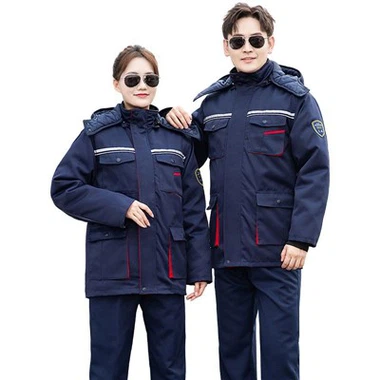
| Heavyweight | 215 - 260 | Autumn and winter suits, suit sets, work uniforms | |
| Very Heavyweight | 350+ | Winter overcoats, outerwear | |
2.Classification by Fiber
| Fabric | Type | Common Abbreviations | Place of Origin | Advantages and Disadvantages | Maintenance Method | |
 Natural Cellulosic Fibers |
Cotton | C | Sea - island cotton (customer - supplied above 80S), Egyptian cotton, Xinjiang long - staple cotton, fine - staple cotton | It is moisture-absorbing and breathable, non-irritating. Its wet strength is greater than its dry strength. It has a relatively dull luster, is prone to wrinkling, is liable to shrink, and is easy to mildew and deteriorate. | The fiber is resistant to alkali but not to acid, and is vulnerable to insect damage. When washing, soak it in hot water and dry it at a high temperature. It is best to iron it while it is wet, and it can be easily ironed flat. | |
| Bast fiber | Ramie | Ram | China, the Philippines, Brazil. In China, it is mainly produced in Hunan, Hubei, Guangdong, Guangxi, Jiangxi, Sichuan, Guizhou and other regions. | Flax is delicate and soft, ramie is tough and thick. They are breathable, moisture-absorbing and quick-drying, not easy to generate static electricity, sturdy and durable. However, they have a relatively dark color, poor elasticity and are prone to wrinkling. | Iron when wet. It is not resistant to acid and should not be under heavy pressure. Do not repeatedly iron the pleats of the fabric. | |
| Linen | L | Ireland and Belgium are the world's largest exporters. | ||||
| Jute | J | |||||
| Hemp | Hem | sterilize and reduce inflammation | ||||
| Kender | Kender | hypotensive | ||||
| Natural Protein Fiber | Silk | Mulberry silk | MS | Jiangsu and Zhejiang provinces, Guangdong Province, Sichuan Province | Mulberry silk is smooth, cool and has a good luster. | It cannot be treated with chlorine-containing bleach. After washing, it should not be wrung dry. Instead, it should be spread flat to dry. It will become softer after being treated with acetic acid. Therefore, a small amount of white vinegar can be added during the washing process. It is not advisable to expose it to direct sunlight. |
| Mulberry silk | TS | Liaoning Province, Shandong Province | Tussah silk is warm and dry. It absorbs sweat but is sensitive to sweat. Its fastness, hygroscopicity, heat resistance, light resistance, chemical resistance and other properties are superior to those of mulberry silk. | |||
| Wool | Wool | W | Australia is the world's largest exporter of wool, and the main variety is Merino wool. | It has a soft and waxy hand feel, is not prone to wrinkling, and has the functions of keeping warm and absorbing moisture. | Protect it from rain and water washing. Don't wash it with alkaline detergent. It is prone to being eaten by insects. Don't scald it with boiling water during washing. It is best to place a blended cloth when ironing. | |
| Special Wool Fiber | Cashmere | Ws | China is a major producer and exporter of cashmere, accounting for 40% of the world's production. | It is delicate, light and soft, warm, and is known as the "soft gold". | ||
| Mohair (Angora wool) | M | South Africa, Turkey, the United States | It has a strong luster and can create a special effect with a flash. It is a high-quality material for producing jacquard carpets, plush fabrics, silver-tipped woolen coats and woolen overcoats. | |||
| Rabbit hair | RH | Angora, Turkey | This material is light, soft and warm, but it is prone to shedding. Therefore, it is often blended with other fibers such as wool to make knitted fabrics. | |||
| Camel hair | CH | Inner Mongolia, Xinjiang, Ningxia, etc. The camel hair from Ningxia is the best. | Coarse wool is mostly used for making cushioning materials, lining cloth and conveyor belts, and it is durable. The down is used for making high-grade knitted products and coarse spinning. | |||
| Yak hair | YH | Tibet, Qinghai | Coarse wool can be used to make cushioning materials, tents, felt, etc. The down is delicate and soft, and can be combined with wool, chemical fibers, spun silk, etc. | |||
| Alpaca wool | AL | Peru | It is finer and softer than mohair, and it is lustrous with a smooth and slippery handfeel, and it is used for processing overcoats. | |||
| Llama hair | The South American Plateau | It is the finest animal fiber, soft, with good luster, and its price is expensive. | ||||
 synthetic fiber |
It has serious static electricity. It is easy to wash, dries quickly, and is wrinkle-free | Polyester (Polyester fiber) | T, PET | It can imitate the hand feel and appearance of cotton, linen, silk and wool, and has good elasticity, good resilience and good shape retention. It is stiff and not easy to wrinkle. Its moisture absorption is poor, it is stuffy and not breathable, it is easy to generate static electricity, and it is prone to attracting dust. Low-elasticity silk can be used to make knitted or woven products that are fluffy, soft, breathable and have a wool-like feel. | It is easy to wash and dries quickly, and it can be machine-washed. | |
| Nylon | PA | It is the most wear-resistant. It has good elasticity, is stiff and not easy to wrinkle. Its moisture absorption is poor, it is stuffy and not breathable, and it is easy to generate static electricity. | It is easy to wash and dries quickly, and it can be machine-washed. | |||
| Acrylic fiber (Artificial wool) | PAN | It has the best light resistance. Its properties are similar to wool, but it is lighter than wool. It is inexpensive, has bright and vivid dyeing effects, is resistant to sunlight, is not prone to mildew or being eaten by moths. However, it has poor elastic recovery, is prone to pilling and generating static electricity, and is likely to attract dust. | ||||
| Spandex (Lycra) | PU | It has high elasticity and high resilience, and is lightweight. It often replaces rubber bands and is used in products such as cuffs, sock openings, gloves, etc., but it is relatively expensive. | It can be machine-washed. The water temperature should not be too high, and it should be ironed at a low temperature and with a quick ironing process. | |||
| Polypropylene fiber | PP | It is light, has good moisture permeability, features a waxy hand feel and luster, has good elasticity and resilience, and is not easy to wrinkle. However, it is difficult to dye. | ||||
| Vinylon (Synthetic cotton) | PVA | light weight, good heat preservation property, resistance to mildew and moth-eaten, good corrosion resistance, and is prone to wrinkling. It is used in textiles and work clothes. | ||||
| Chlorofiber | PVC | It has a moisture regain of 0, good flame retardancy, corrosion resistance, and poor heat resistance. It is used for gas masks, insulating cloth, and warehouse covering cloth baskets. | ||||
| regenerated fiber | Viscose fiber (Artificial cotton) | V | It has the appearance similar to silk and excellent drapability, good dyeability and color fastness. It is soft but not stiff, with good draping property, moisture absorption and heat conduction. However, it has poor elasticity, is prone to wrinkling and difficult to recover, and shrinks seriously. | |||
| Cuprammonium fiber (Binba lining material) | CVP | It has a silk-like feel, good moisture absorption, is easy to dye, is not prone to static electricity, is wear-resistant, has good drapability, and is often used in high-grade silk fabrics or knitted fabrics and as lining for garments. | ||||
| Acetate fiber | CA | It has the luster and body of silk fabrics, is light in weight, smooth and soft, has poor moisture absorption, and triacetate fiber is prone to generating static electricity. | dry cleaning | |||
| Metal fiber | Various metal fibers such as stainless steel and silver have special functions such as electrical conductivity, radiation protection, high temperature resistance, flame retardancy, and acid and alkali resistance. They are relatively hard and have poor drapability, and are often blended in anti-radiation clothing for pregnant women, anti-static clothing, etc. | |||||
Previous: A Collection of Fabric Knowledge(PART2)