

What fabric is the most breathable for summer work uniforms? Comparison and recommendations of mainstream fabrics in 2026
Apr 14, 2026
Selecting the right fabric for summer work uniforms goes beyond just breathability. Factors such as wash durability, wrinkle resistance, color stability, and job suitability also matter. This article provides a detailed analysis of several common fabrics used in summer work uniforms, helping you get a clear understanding before making your purchasing decisions.
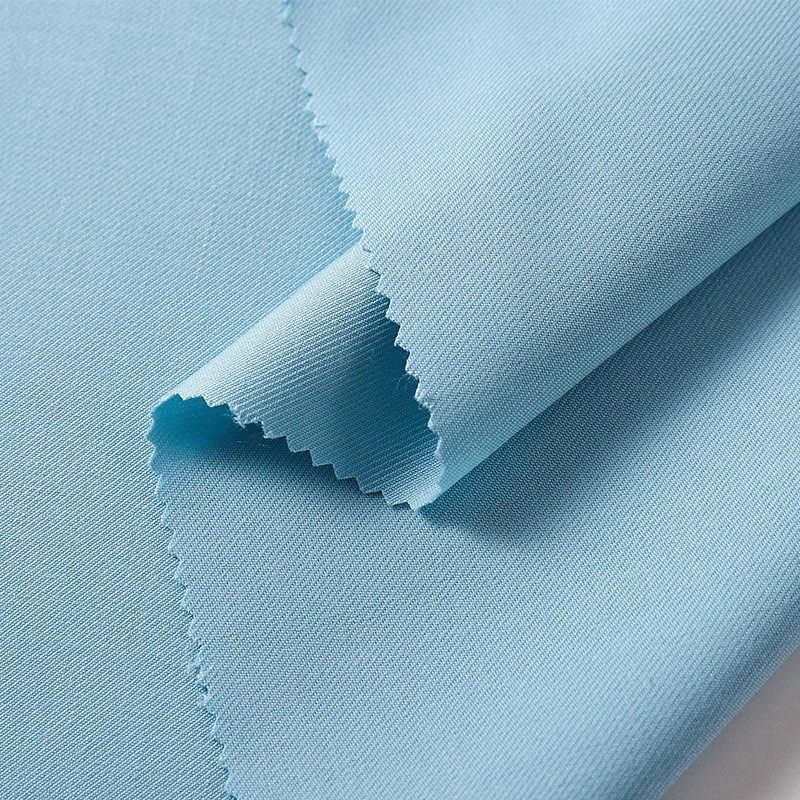
1.Core Requirements for Summer Work Uniform Fabrics
The priorities for work uniform fabrics vary by season. For summer, the core requirements are as follows - check these before selecting your fabric:
Good breathability: This is the top priority for summer fabrics. Whether the fabric allows air circulation and body heat to escape directly determines if employees feel stuffy and hot. Fabrics with a high polyester content have poor breathability and are the least suitable choice for summer.
Strong moisture absorption: Sweating is normal in summer. Fabrics that can quickly wick away sweat prevent the skin from feeling constantly damp and sticky. Cotton fibers have far better moisture absorption than polyester, which is the core reason why fabrics with high cotton content feel more comfortable in summer.
Lightweight fabric weight: The recommended fabric weight for summer work uniforms is between 160g and 190g. Anything above 200g will feel noticeably heavier and hotter to wear. For fabrics made of the same composition, lighter-weight options are significantly more comfortable in summer than heavier ones.
Strong washability: With heavy sweating in summer, work uniforms are washed frequently. The fabric needs to withstand repeated washing without deforming or fading.
Good quick-drying property: In summer, when work uniforms are washed, you want them to dry quickly so they can be worn again the next day. Fabrics with a high polyester content dry quickly, while pure cotton dries slowly - this is one of the trade-offs to consider.
2.Pure Cotton Fabric: The Most Breathable and Comfortable, but with a Few Drawbacks
Pure cotton is the best fabric for summer work uniforms in terms of wearing experience - there's no debate about it. Cotton fibers are naturally breathable, have strong moisture absorption, and feel soft against the skin, offering a noticeably cooler and more comfortable feel in summer than other fabrics.
However, when used for work uniforms, there are several practical issues with pure cotton that cannot be ignored:
Dries slowly. For positions with heavy sweating in summer, work uniforms may still be slightly damp the next day after washing.
Wrinkles easily. The uniform can become wrinkled just from sitting down and standing up. For roles with high image requirements, frequent neatening is needed.
High shrinkage rate. The first wash may cause shrinkage of 3% to 5%. Suppliers are required to perform pre-shrinking treatment in advance.
Dark-colored pure cotton tends to fade during the first few washes, requiring separate washing.
Pure cotton summer work uniforms are most suitable for the following scenarios: restaurant kitchens (safety requirements mandate pure cotton), outdoor heavy labor positions in summer, and the medical aesthetics industry where high skin comfort is required.
The recommended fabric weight is 160g to 180g for lightweight pure cotton, which is significantly cooler than heavier options while still retaining sufficient moisture absorption.


3.Lightweight Polyester-Cotton Blend: The Best Value Choice for Summer
Thin polyester-cotton blend fabrics with a ratio of 65/35 or 60/40 are currently the most widely used option for summer work uniforms, offering the highest cost-effectiveness.
Advantages over pure cotton: Resists wrinkling easily and maintains good shape; dries quickly and can be ready the same day after washing; low shrinkage rate, with consistent dimensions after repeated washes; lower price than pure cotton.
Disadvantages compared to pure cotton: Slightly weaker breathability and moisture absorption - the higher the polyester content, the more noticeable this becomes; slightly stiffer feel against the skin, which may cause mild discomfort for some employees with sensitive skin.
For summer polyester-cotton work uniforms, it is important not to choose too high a fabric weight - 160g to 180g is the appropriate range. Many companies still use 240g polyester-cotton uniforms in summer, which are truly hot to wear at that weight, leading to more employee complaints. Choosing the right weight is more critical than choosing the fabric composition.
Suitable scenarios: Property reception desks, retail sales associates, restaurant front-of-house, administrative reception, and other indoor or air-conditioned environments. These uniforms offer good overall performance and reasonable cost.
4.High-Cotton Content Polyester-Cotton (60%+ Cotton): The Balance Between Comfort and Practicality
Polyester-cotton blends with a cotton content of 60% or more offer breathability and moisture absorption that approach those of pure cotton, while retaining the wrinkle resistance and quick-drying properties that polyester provides. This makes them the top summer choice for many companies with high comfort requirements.
This type of fabric is slightly more expensive than standard 65/35 polyester-cotton, but cheaper than pure cotton - falling somewhere in between. If the budget allows, choosing a high-cotton polyester-cotton for summer work uniforms is a very worthwhile upgrade. The improvement in employee experience is noticeable, and complaints will naturally decrease.
Breathability: Significantly better than 65/35 polyester-cotton, approaching that of pure cotton
Wrinkle resistance: Retains the crispness of polyester, less prone to wrinkling than pure cotton
Drying speed: Faster than pure cotton, but slightly slower than 65/35 polyester-cotton
Price: Between that of pure cotton and standard polyester-cotton
Suitable scenarios: Positions that value employee comfort while also requiring a neat and professional appearance - such as hotel guest services and high-end property management teams for their summer uniforms.

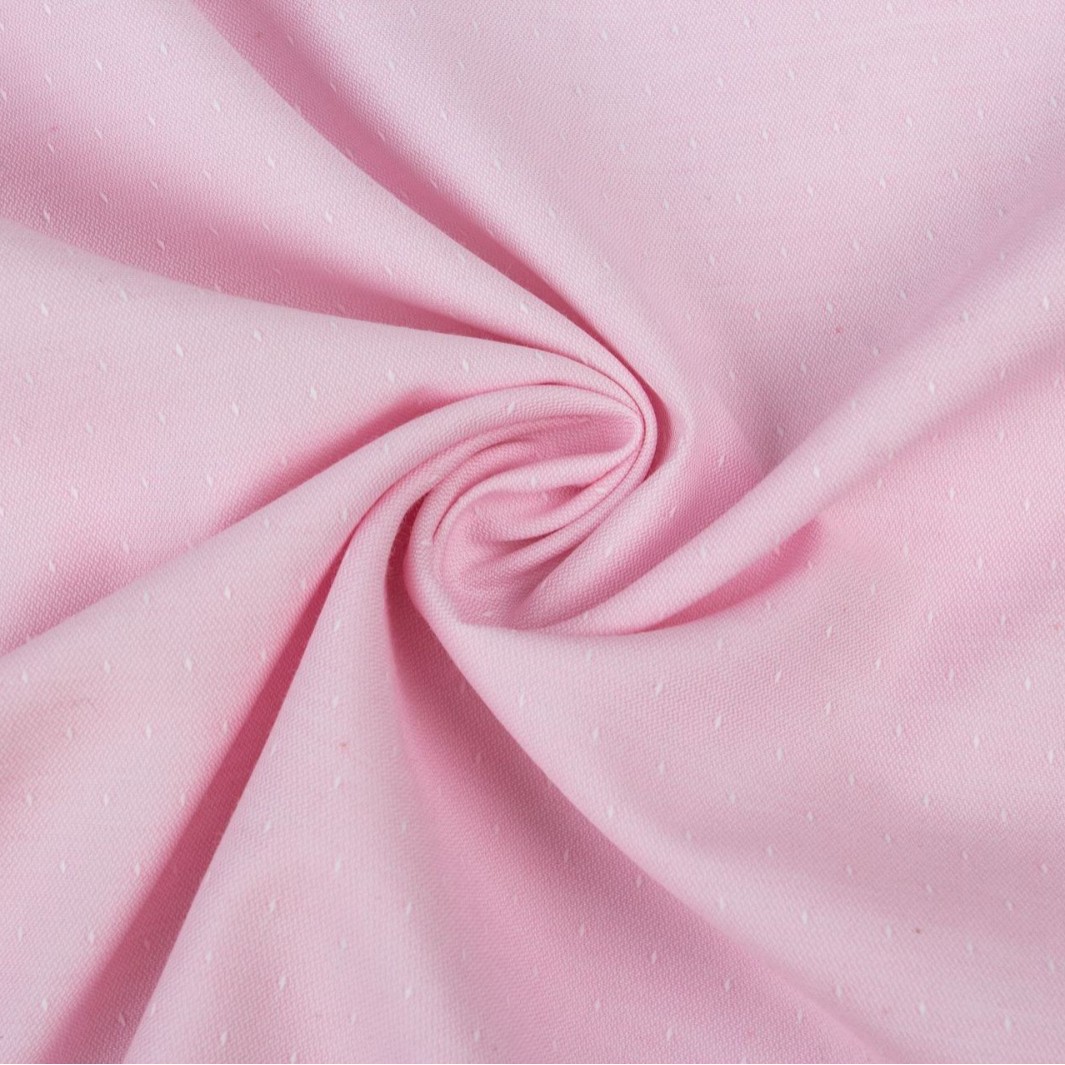
5. Cotton-Linen Blend: Crisp and Natural, Suitable for Specific Styles
Cotton-linen fabrics have become increasingly popular in the restaurant and retail industries in recent years. The addition of linen fibers gives the fabric a natural texture and drape, creating a visually crisp, high-quality look - making it very suitable for brands that embrace a natural or artistic style.
Cotton-linen fabrics have excellent breathability. Linen fibers are even more breathable than cotton fibers, providing a noticeably cool feeling when worn in summer. However, the biggest drawback of cotton-linen fabrics is that they wrinkle easily - even more so than pure cotton. Sitting down or squatting just once can leave the fabric covered in creases, making it less suitable for positions with high neatness requirements.
Breathability: Excellent - one of the most breathable among these fabric types
Wrinkle resistance: Poor - very prone to wrinkling
Hand feel: Naturally textured and slightly rough, not very soft - some employees may dislike it
Price: Slightly more expensive than pure cotton
Suitable scenarios: Chinese restaurants, artistic/cultural-themed eateries, boutique homestays, and retail stores with a strong brand identity. The effect works best when the style and brand tone are well matched. Not suitable for formal positions with strict neatness requirements.
6. Moisture-Wicking Functional Fabrics: The Best Choice for Outdoor and High-Intensity Positions
Moisture-wicking fabrics are a technology originally from the sportswear industry and have begun to be widely used in work uniforms in recent years. Through a special fiber structure, these fabrics quickly transport sweat from the skin surface to the outer surface of the fabric for evaporation, keeping the skin dry and comfortable.
Compared to regular polyester-cotton fabrics, the biggest advantage of moisture-wicking fabrics is their fast sweat transport. When you sweat, the moisture doesn't stay wet and sticky against your skin, making the wearing experience noticeably more comfortable. This benefit is especially valuable for positions that involve working under the hot sun or require high levels of physical activity.
Moisture absorption speed: Significantly faster than regular fabrics - this is its core advantage
Breathability: Good, but not as naturally breathable as pure cotton
Wrinkle resistance: Relatively good, not prone to wrinkling
Price: 30% to 50% more expensive than regular polyester-cotton - the highest among these fabric types
Suitable scenarios: Outdoor work, courier delivery, food delivery riders, outdoor security patrols, logistics handling - any positions involving heavy sweating. Spending this extra money leads to a very noticeable improvement in employee experience.
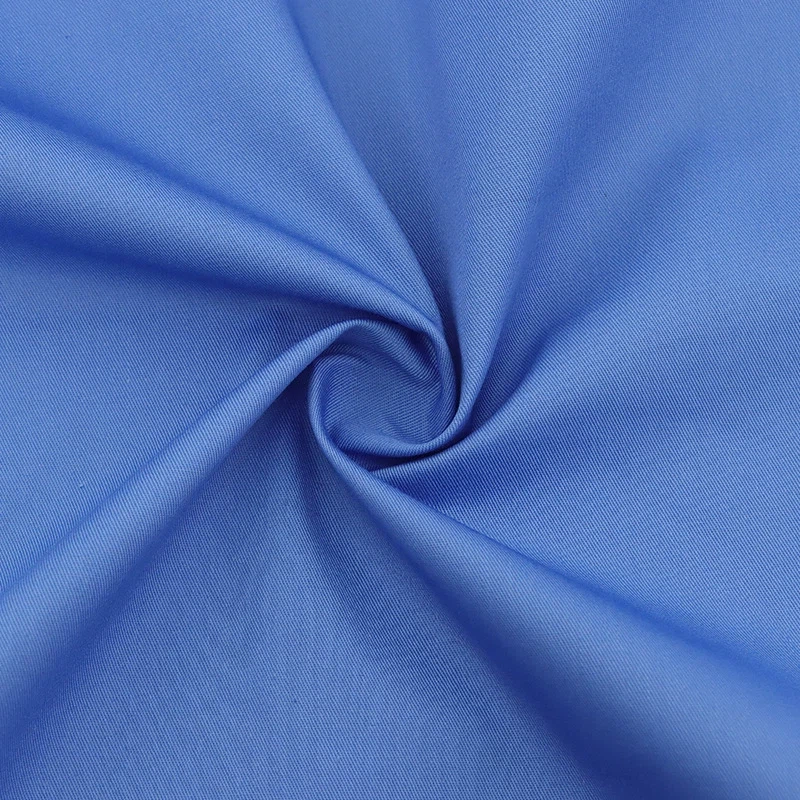

7.Horizontal Comparison of Fabric Types
Below is a simple comparison of the fabrics mentioned above across key summer performance indicators for easy reference:
Breathability ranking: Cotton-linen ≈ Pure cotton > High-cotton polyester-cotton > Moisture-wicking > Standard polyester-cotton
Moisture absorption ranking: Pure cotton ≈ High-cotton polyester-cotton > Cotton-linen > Moisture-wicking > Standard polyester-cotton
Wrinkle resistance ranking: Moisture-wicking ≈ Standard polyester-cotton > High-cotton polyester-cotton > Pure cotton > Cotton-linen
Drying speed ranking: Moisture-wicking > Standard polyester-cotton > High-cotton polyester-cotton > Cotton-linen > Pure cotton
Price (lowest to highest): Standard polyester-cotton < High-cotton polyester-cotton < Pure cotton ≈ Cotton-linen < Moisture-wicking
No single fabric performs best across all indicators. The key to selection is to identify the most important indicator based on job requirements, then choose the most suitable fabric in that direction.
Frequently Asked Questions
Summer in Dalian isn't particularly hot - are there any special considerations when choosing summer work uniform fabrics?
Summer in Dalian is generally mild and cool, but temperatures and humidity can still be quite high in July and August - especially for outdoor positions and environments like kitchens. The choice of summer fabric still needs to be taken seriously. Dalian is quite windy in summer. For outdoor positions, there's no need to choose extremely lightweight fabrics - 160g to 175g is sufficient. Fabrics that are too thin tend to deform easily in the wind, affecting appearance. For indoor, air-conditioned positions, 170g to 190g polyester-cotton is more than adequate - there's no need to pursue maximum breathability.

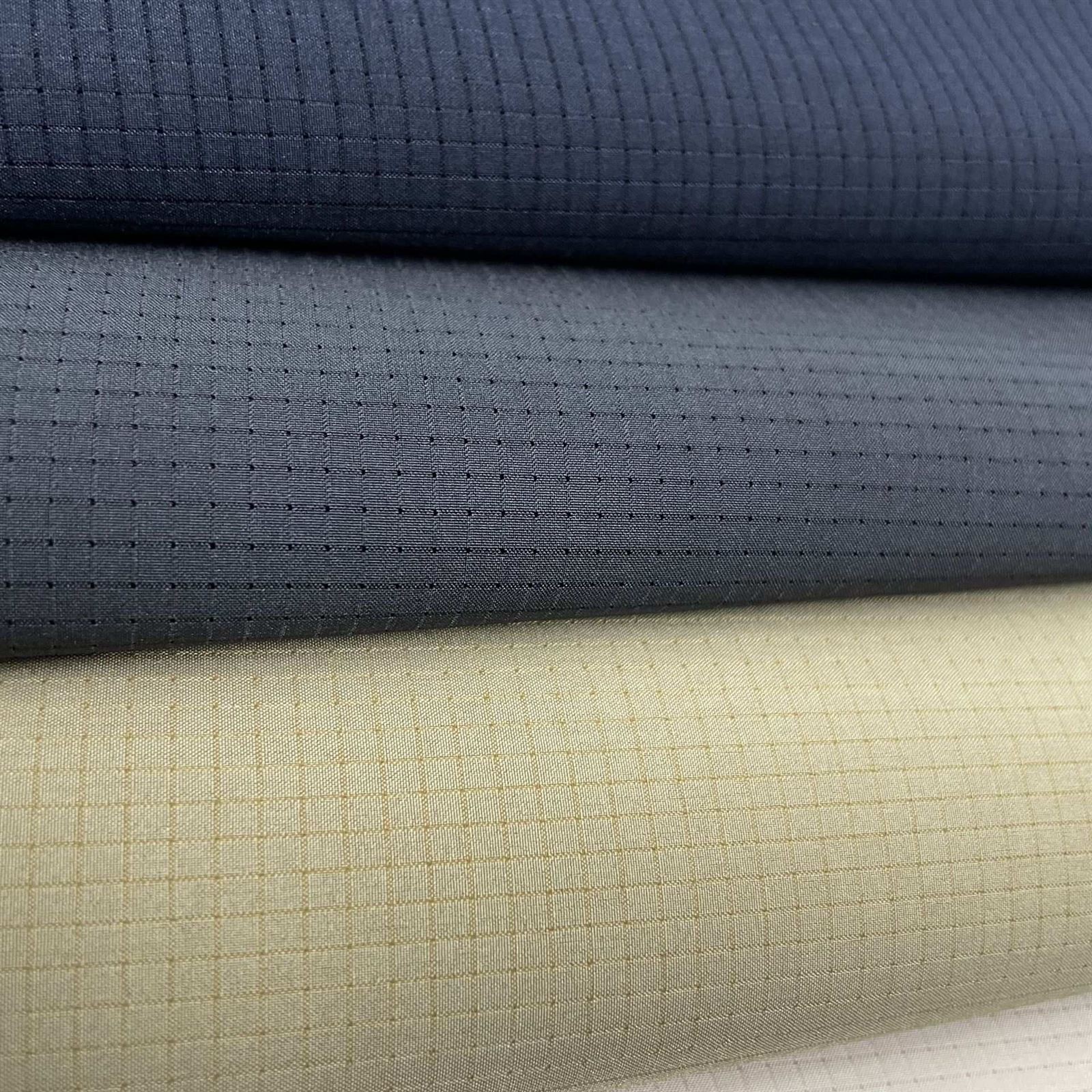
Is it better to choose light-colored or dark-colored summer work uniforms?
From the perspective of breathability and body comfort, light colors are cooler than dark colors. Light-colored fabrics absorb less heat, so outdoor workers wearing light-colored uniforms will feel a lower body temperature in summer. However, light-colored uniforms tend to show sweat more easily - wet marks on the back are very noticeable after sweating, which affects appearance.
A compromise solution is to choose a relatively lighter color for the top and dark colors for the pants. This creates an overall clean and fresh look while reducing the embarrassment of visible sweat marks on the top. Alternatively, choose moisture-wicking fabrics, which dry quickly after sweating and are less likely to leave sweat marks regardless of color.
If summer work uniforms are washed every day, will the fabric wear out quickly?
High-frequency washing does cause wear and tear on fabrics, but with the right fabric choice and washing methods, the service life won't be too short. It is recommended to provide each employee with two sets of summer work uniforms to rotate. This cuts the washing frequency per set in half, significantly extending their lifespan.
When washing, use cold water and hand wash or use a low-speed machine cycle. Avoid high temperatures, do not use a dryer, and let the uniforms air dry naturally. Polyester-cotton fabrics are more resistant to high-frequency washing than pure cotton. If the job requires daily washing, polyester-cotton is a more suitable choice than pure cotton.


Can the same fabric be used for both summer and winter work uniforms?
Not recommended. Even with the same fabric composition, the weight difference is significant - summer uniforms require 160g to 180g, while winter uniforms need 220g or above. They should essentially be two different products. If you try to use one fabric for all seasons just to save trouble, employees will feel hot in summer and cold in winter - uncomfortable in every season, leading to more complaints.
Seasonal purchasing doesn't necessarily cost much more. Summer fabrics are thinner and have a lower unit price, while winter fabrics are thicker and have a higher unit price. Overall, the total cost is not much different from using a year-round universal fabric, but the employee experience is significantly better.


